

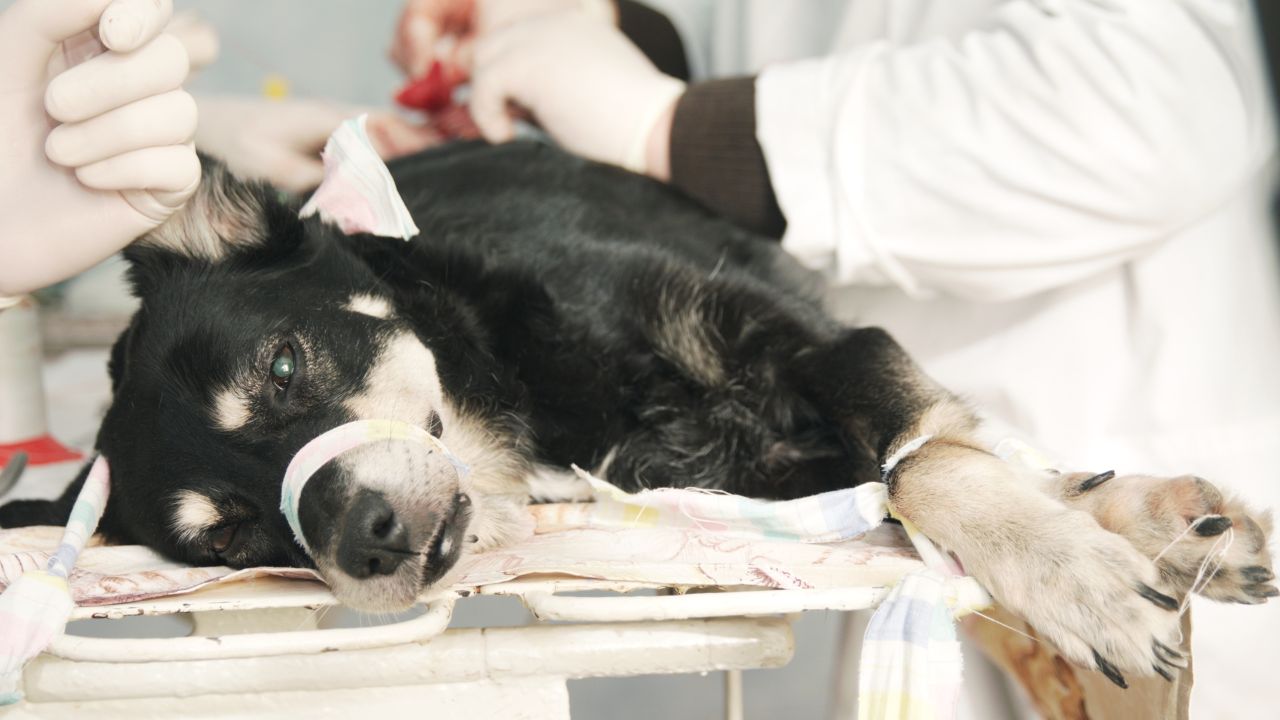
Ever felt a pang in your heart seeing your fur-baby hurting after surgery? You're not alone. This piece will guide you on how to comfort a dog in pain after surgery. I promise, by the end of this read, you'll be better equipped to help them recover with less stress and more cuddles.
They say that canines are our most loyal companions - and who could deny it? But when it comes to post-op recovery...well let's just say we can't exactly have a chat over coffee about their incision site or how that general anesthetic is wearing off.
I've put together some practical tips for how to comfort a dog in pain after surgery, plus how to manage their behavior. This article is based on the interview I did with Dr. Janet Gordon Palm, for the Pet Pain Relief Summit. The summit was seen by over 14,000 pet owners and it has helped many hundreds of pets since.
In this article I'll cover everything from understanding the key elements of your vet's post-op instructions to choosing between regular store-bought food and a special diet during recovery; helping their appetite return gradually while ensuring optimal health...
Understanding Your Dog's Post-Surgery Pain
Your dog's post-surgery pain can be a stressful time for both of you. Nevertheless, with appropriate knowledge and care, it can be controlled successfully.
Recognizing Signs of Pain in Your Dog
Dogs don't express pain the same way humans do. Subdued behavior or lack of interest in activities they usually enjoy might indicate your pet is feeling discomfort after surgery.
If your pup isn’t acting like their normal self or seems more lethargic than usual, this could signal post-surgical distress. Other signs to watch out for include excessive licking or chewing at the incision site, whining when moving certain ways, loss of appetite or changes in sleeping patterns.
It’s important as pet parents that we're vigilant about these cues since our dogs cannot verbally communicate their suffering to us.
Misconceptions About Animal Pain
Contrary to popular belief, animals can experience pain similarly to humans, as affirmed by veterinary professionals. This belief has been debunked by veterinary professionals who affirm that pets experience similar levels and types of discomfort as humans following surgical procedures.
The truth is, dogs have a higher tolerance for pain compared to us but this doesn’t mean they are immune from experiencing it, especially after invasive processes such as surgeries.
"We need to get past old notions that animals 'don't feel' physical agony," says Dr. Janet Gordon Palm during her interview on The Pet Pain Relief Summit. "The pain-relief medications we give them are a key element in ensuring their comfort and optimal health during recovery."
Comprehending the discomfort your pup is in after surgery can be a major factor to helping them bounce back faster. Pain can slow healing and create unnecessary stress for both of you.
It’s crucial to follow the vet's post-op instructions carefully after surgery as these will include specific details about administering any prescribed pain relievers along with other critical care procedures to make sure that your fur baby gets back to their normal active lifestyle soon.
Understanding and Easing Your Dog's Post-Surgery Pain: Dogs feel pain like we do, but they can't express it the same way. Keep an eye out for signs of discomfort - less energy, licking at the surgery site, or changes in eating and sleeping habits. Remember that medication is key to helping your pet recover quickly after surgery.
Medications for Managing Post-Operative Pain in Dogs
Pain management is a key element of your dog's recovery after surgery. Let's investigate the varied medications that can be utilized to reduce post-operative pain.
Dosage and Administration Guidelines
The vet will prescribe specific pain relievers based on the surgical procedure performed and your pet's overall health. Common choices include Gabapentin, Rimadyl, Carprofen, and Meloxicam.
Following the vet’s instructions closely is vital when administering these drugs. Each has a specific dose required to achieve optimal results without causing harm to your pet.
Opioid medications are sometimes prescribed for severe pain but should be administered with caution due to their potential lingering effects. NSAIDs (Non-Steroidal Anti-Inflammatory Drugs) like Rimadyl or Meloxicam are often recommended as they have fewer side effects than opioids while still providing effective relief from moderate pain.
Potential Side Effects and Interactions
All medicines come with potential side effects, even those specifically designed for pets. For instance, some dogs might experience a temporary lack of appetite or changes in behavior after taking certain medication - don't worry; this usually resolves once treatment ends.
Rimadyl may cause gastrointestinal issues such as vomiting or diarrhea if given on an empty stomach; it should ideally be administered with food or milk according to VCA Hospitals.
Remember, if your dog has any underlying health conditions or is taking other medications, there could be potential interactions. It's essential to disclose all of this information to the vet before starting a new medication.
Observing your pet for unusual behavior changes and promptly reporting them can help mitigate any negative effects from these medications. The vet will then adjust the dosage or switch to another pain reliever as needed.
The Importance of Follow-Up Appointments
Wrapping things up, it's crucial to keep those follow-up appointments with the vet for effective management.
Managing your dog's post-surgery pain is key to a smooth recovery. From Gabapentin to Meloxicam, there are several meds that can help. But remember, dosage matters and each drug has its potential side effects - like appetite loss or behavioral changes. So follow the vet's instructions closely, keep an eye on any unusual behavior in your pet, and don't hesitate to reach out to your vet f you notice anything off-kilter.
Complementary Therapies for Post-Surgical Pain Management
Your dog's post-operative pain doesn't just have to be managed with medication. There are complementary therapies with little-to-no side effects, that can help ease your dog’s discomfort, while also supporting their overall healing process.
Benefits and Limitations of Complementary Therapies
The key benefit of using these alternative methods is they can reduce pain without relying solely on pharmaceuticals. Low-level laser therapy (LLLT) has been demonstrated to be effective in reducing inflammation and hastening tissue repair, with a device that emits light of particular wavelengths penetrating the skin surface and promoting cell regrowth as well as improved blood flow.
This treatment uses a device emitting light at specific wavelengths that penetrate the skin surface, helping to stimulate cell regeneration and increase blood circulation. But remember it's not an instant fix; you may need several sessions before seeing improvements in your pet’s condition.
Research shows Assisi loop therapy could be another effective tool in managing post-surgery pet pain. This non-invasive technique uses electromagnetic fields to boost natural anti-inflammatory processes within the body. Though safe, its efficacy might vary depending on individual animals' responses or the severity of their condition.
LED lights too have found use in promoting healing by delivering particular wavelengths into tissues leading to increased cellular activity - but again this approach should complement prescribed medications rather than replace them entirely.
Rental lasers offer convenience as well because they let you perform LLLT from home after receiving appropriate guidance from professionals regarding their usage and safety precautions required around the eyes.
Note: always follow veterinary instructions when employing any therapeutic equipment.
"The aim isn’t about choosing one over another – medicine or alternative treatments," says Dr Janet Gordon Palm, "it's about integrating the best of both worlds to give our pets optimal care."
One limitation is that complementary therapies are not universally effective for all dogs. Some may respond better than others depending on their condition, age or overall health status. Additionally, these treatments might require a time commitment from you as well as potential costs.
In the end, it's all about selecting what functions most effectively for you.
It's not just medications that can manage your dog's pain after surgery. Complementary therapies like low-level laser therapy (LLLT), Assisi loop therapy, and LED lights also play a key role in easing discomfort while promoting healing. But keep in mind, these treatments are meant to support prescribed meds, not replace them completely. Also remember that the effectiveness of these treatments may vary depending on each animal’s specific condition and response.
Caring for Your Dog After Surgery
After your pet's surgery, they'll need lots of love and some special care to bounce back. Here's some advice to aid in a speedy recovery for your pet.
Managing Your Dog's Diet Post-Surgery
Your dog might not have their usual appetite after coming home from the vet. It’s normal. But remember, proper nutrition is a key ingredient in helping them regain strength and return to optimal health.
A light meal like boiled chicken could be easier on their stomach initially. Gradually reintroduce their regular diet over several days as their appetite returns. Store-bought dog food isn’t off-limits, but make sure it’s high quality and suitable for recovery - no cheap kibble.
Exercise and Activity Levels After Surgery
All dogs love being active – playing fetch or chasing squirrels is part of what makes them happy. However, following surgery, it's important that we adjust these activity levels appropriately.
To start with, keep playtimes gentle - maybe just a stroll around the yard instead of frisbee in the park. Monitor your pet closely during this time: any signs of discomfort should prompt an immediate call to your vet. As they heal further though, encourage more exercise so they can gradually return to living out their normal active lifestyle again.
Remembering these basic tips will go far towards keeping our four-legged friends comfortable as they recover from surgical procedures.
While these guidelines are crucial components for ensuring successful recovery post-surgery general anesthetic knocks even us humans down; therefore understanding its effects on our pets gives us better insight into caring for them.
Understanding the Surgical Procedure and Follow-Up Care
As always follow-up appointments ensure continuity of care which helps monitor your pet's health after surgery. Listen to the vet’s post-op instructions carefully and don't hesitate to ask if you have any questions about them. They'll likely give specific advice tailored for your dog - so it’s key we follow this.
The Role of Anesthesia in Veterinary Surgical Procedures
Often, when our dogs need surgery, vets use general anesthesia. This helps to ensure a pain-free procedure.
Post-surgery, your dog needs extra love and care to recover quickly. Adjust their diet with light meals initially and gradually return to regular food as they regain their appetite. Keep activities gentle at first, then slowly increase exercise as they heal. Always listen closely to your vet's post-op instructions for the best recovery process.
Understanding the Surgical Procedure and Follow-Up Care
Your pet's health is always a top priority. When your dog undergoes surgery, understanding what happens during the surgical procedure and knowing how to care for them afterward can help ease your concerns.
The Role of Anesthesia in Veterinary Surgical Procedures
During most veterinary surgical procedures, a general anesthetic is used to ensure that your dog doesn't feel any pain. But it’s more than just making sure they're comfortable - anesthesia also keeps them still so the vet can work safely.
Anesthesia typically starts with a sedative to relax your pup before administering the actual anesthetic which then knocks out their senses temporarily. This ensures optimal health conditions during surgery by preventing stress responses that could complicate matters. (More on General Anesthetics)
However, as necessary as it may be for surgery, anesthesia does come with its own set of risks like lowered blood pressure or slowed heart rate. That's why constant monitoring throughout the process is key – from induction through recovery.
Navigating Post-Operative Care: The First 24 Hours
Caring for a dog post-surgery begins right after they wake up from anesthesia; this time frame usually falls within hours contact following completion of their operation.
Your vet will provide you with detailed post-op instructions regarding wound care at home including keeping an eye on the incision site and looking out for signs such as swelling or discharge indicating infection.
Medications prescribed by your vet will help manage any post-surgery pain and keep your dog comfortable. It’s crucial to follow these instructions carefully, as the wrong dosage can cause more harm than good.
Moving Beyond The First Day: Ongoing Post-Operative Care
Over the coming days, you'll observe them regaining their vigor and resuming a more typical routine. It's not just about that first day post-surgery, but also helping them navigate through recovery with patience and love.
Grasping the Surgery and Aftercare: Knowing what happens during your dog's surgery and how to care for them afterwards can ease worries. Anesthesia, although necessary, carries risks but is closely monitored for safety. Post-op instructions from your vet are key in wound care and pain management. The recovery process requires patience as they regain energy.
FAQs in Relation to How to Comfort a Dog in Pain after Surgery
How can I soothe my dog after surgery?
Keep your pooch in a quiet and comfortable space. Stick to vet-prescribed meds, provide gentle petting, and offer their favorite toys for comfort.
How can you tell if a dog is in pain after surgery?
Dogs show pain through behavior changes: excessive panting, decreased appetite, restlessness or lethargy. If these signs persist, consult your vet.
How can I help my dog relax in pain?
Create a calm environment with low noise levels. Softly stroking their fur and speaking gently may also help them unwind.
Should you sleep with your dog after surgery?
Nope. It's best to let them have solo rest time post-surgery – they need uninterrupted sleep for quick recovery.
Conclusion
Knowing how to comfort a dog in pain after surgery isn't just about the medications prescribed or following the vet's post-op instructions. It goes beyond that.
We learned recognizing signs of pain is crucial. So, pay close attention to their behavior and seek veterinary help if needed.
Medications are key elements in managing post-surgery pain. But remember, it's equally important to administer them as instructed by your vet for optimal health.
Diet and activity levels play a significant role too. Start with light meals initially, gradually return to regular store-bought food, and slowly reintroduce normal active routines when they're ready.
If you'd like to learn more about how to take care of your senior pet, I have a fantastic course called the LifeExtend Method. We go into great detail about all the options available to ensure your pet lives a long, healthy and happy life, well into their golden years.
The journey may seem long but rest assured knowing you're doing everything right can make it easier for both of you!