

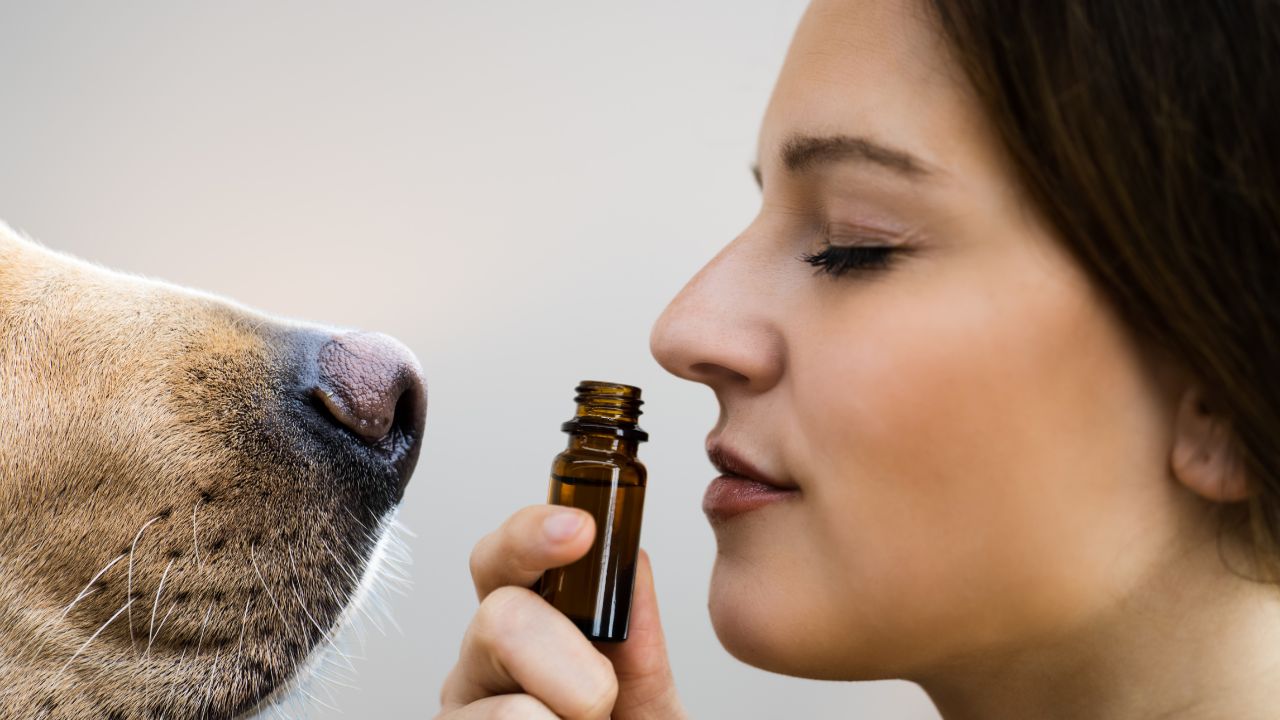
Introduction to Essential Oils for Pets and Pain Management
As devoted pet parents, we always look for ways to enhance our pets' well-being and alleviate any discomfort they may experience. When addressing pain in our pets, using essential oils is a growing area of interest and research. These natural plant extracts have gained recognition for their potential to relieve pain and promote overall pet wellness.
In this post, we'll explore the power of essential oils as a complementary approach to managing pet pain. Understanding the dual nature of pain in animals, we will delve into the importance of addressing pain and empowering us with knowledge about standard testing and treatments. Discover how essential oils can be a valuable tool for pet pain relief.
The Dual Nature of Pain in Animals
Pain can manifest in two forms: physical and mental. Our pets, much like us, can exhibit symptoms of both. Physical pain refers to discomfort resulting from disease or injury, which can be generalized, spread throughout the body, or localized to a specific area.
Imagine the difference between the achy feeling experienced during a fever (generalized pain) and the precise agony caused by a broken bone (localized pain). Simultaneously, mental pain affects our pets' emotional well-being and can be equally distressing.
The Spectrum of Pain in Animals
Pain is a subjective experience, and while humans can communicate their pain levels on a scale, our animal companions cannot express it as explicitly. Thus, identifying the severity of pain in animals becomes a challenging task.
Factors such as individual personality and tolerance play a role, with some pets stoically enduring significant pain without displaying apparent signs. In contrast, others may be more sensitive and vocal about their discomfort.
Types of Pain in Animals and Essential Oils for Relief
This type of pain is a normal and predictable response to an undesirable stimulus, such as tissue injury from cuts, wounds, bruises, or surgical procedures.
Acute pain occurs immediately following an event and gradually subsides as healing progresses.
Acute Pain
This type of pain is a normal and predictable response to an undesirable stimulus, such as tissue injury from cuts, wounds, bruises, or surgical procedures. Acute pain occurs immediatelyfollowing an event and gradually subsides as healing progresses.Chronic Pain
Chronic Pain
Unlike acute pain, chronic pain persists beyond the expected healing time frame, and it can be progressive or degenerative, gradually worsening over time. Conditions like arthritis exemplify chronic pain, impacting our pets' daily lives and overall well-being.
Cancer Pain
Cancer-related pain constitutes its category due to its complex nature. It often involves a combination of acute and chronic pain arising from the tumor site and the side effects of cancer treatments like chemotherapy and radiation.
Neuropathic Pain
Neuropathic pain stems from nerve damage or dysfunction within the central nervous system. Although we cannot directly ask our pets to describe this tingling sensation, we acknowledge its presence and the challenges it may pose in identifying and managing it effectively.
The Importance of Addressing Pain in Animals with Essential Oils
Recognizing and addressing pain in our pets is vital for their recovery, overall well-being, and quality of life. Pain delays healing processes, diminishes their happiness, and restricts their ability to engage in activities they once enjoyed.
By proactively managing pain, we can alleviate their suffering and ensure they lead fulfilling lives.
Recognizing Pain in Animals and How Essential Oils Can Help
Recognizing pain in animals can be challenging since they cannot communicate their discomfort verbally. However, physical and behavioral signs can indicate pain in our furry friends. Physically, you
may notice an increased heart rate or respiratory rate, panting (although it could also be due to heat or exertion), changes in movement or posture (such as a hunched back or limping), slowed reflexes, vocalization (crying or whimpering), reluctance to jump or use stairs, and dilation of pupils.
Behavioral cues are also essential, as animals express themselves through changes in mood and personality. Look out for decreased interest in food or appetite loss, restlessness, anxiety, lethargy, withdrawal, licking, biting, or rubbing a specific area, general crankiness beyond their usual temperament, and irritability.
Remember that each pet has a unique personality, so any significant behavior change should be taken seriously. While pain can manifest in various forms, such as musculoskeletal or abdominal pain, numerous options are available to alleviate and manage your pet's discomfort effectively.
Empowering Pet Parents: Essential Oils and Common Testing for Pain Relief
Your regular veterinarian will employ several standard testing and treatment methods to address your pet's pain. The first step is a thorough physical exam, during which they will assess your pet's condition, examine joints, and gather a comprehensive medical history from you. Diagnostic testing, such as X-rays, ultrasounds, or blood work, may be conducted to obtain a clearer picture of the underlying issue. Advanced imaging like CT scans or MRIs might be necessary in some cases. Additionally, your veterinarian may suggest a medication trial to evaluate your pet's response to different treatments.
The ultimate goal of these treatments is to address the underlying cause of pain whenever possible. For instance, if your pet has an ear infection causing discomfort, appropriate antibiotics or antifungal medications will be prescribed to eliminate the disease and alleviate the pain. Multimodal analgesia, which involves pain relief medications like non-steroidal anti-inflammatories, may also be recommended.
While not ideal, behavior modifiers or sedatives might be utilized to help your pet rest and heal. Proper bandaging techniques, sometimes accompanied by ice or heat packs, can provide relief. Physical therapy, acupuncture, and holistic modalities like light and laser therapy can also significantly affect pain management.
Remember, each case is unique, and your veterinarian will tailor the treatment plan to your pet's specific needs. By collaborating with your veterinarian and providing essential information during the examination, you play a crucial role in ensuring your beloved companion receives the best possible care and relief from pain.
The Power of Essential Oils for Pet Wellness and Pain Relief
Essential oils derived from plants hold immense potential as natural pet remedies. These highly concentrated compounds are 50 to 70 times more potent than herbs, requiring proper dilution before use. Their transdermal application sets essential oils apart—absorbed through the skin and into the bloodstream, they can still benefit animals with difficulty eating.
However, choosing reputable brands is crucial, as synthetic oils with artificial fragrances can be harmful. When used wisely, essential oils offer a natural approach to supporting your pet's well-being.
Methods of Using Essential Oils with Pets
Essential oils can be used with pets in three ways: aromatically, topically, and internally. Aromatically, you can diffuse oils into the air, creating a pleasant and therapeutic atmosphere. Remember to ensure proper ventilation and limit the amount of oil used.
You can also make homemade sprays as a natural alternative to chemical air fresheners. Direct inhalation, where your pet smells the oil from your hands or a cloth, can also be beneficial. Just be cautious about using essential oils with humidifiers, as some may not be compatible. The topical application requires dilution, and there are various ways to apply essential oils to your pet's skin. The direct application involves massaging a diluted oil onto the specific area of concern.
Additional Tips for Topical and Internal Use
Gentle massages can be soothing for your pet and help the oil penetrate thick fur. Ear tipping, rubbing oil on the tips of your pet's ears, is another option. Reflexology points on paws or acupressure points can be targeted if you're familiar with them. You can apply hot or cold compresses with diluted oils to the affected area. Regularly petting your pet along its spine or back can provide ongoing benefits.
Internal use of essential oils can be controversial but effective for chronic pain management. Mixing a couple of drops into your pet's wet food is a standard method, and even small dogs can benefit from internal use. If your pet dislikes the smell of their food, you can use empty veggie capsules to encapsulate the oil. Other options are to rub a small amount directly onto the gums or apply it to a treat.
Safety Guidelines for Essential Oil Use
Following a few safety guidelines is important when using essential oils with your pets. Remember to start slowly and allow your pet to self-select the essential oil. Watch their behavior as they approach or avoid the oil, and pay attention to any nose licking, which is usually a positive sign. Observe your pet's response and let them guide you.
Keep the cap on when introducing a new oil and present it to them without loosening it. Watch your pet for the first few minutes of diffusing a new oil to gauge their reaction. Remember the recommended amount of three to four drops in your diffuser, and ensure the room door is open and the diffuser is in a secure location. Less is often more, so start with a more diluted concentration and adjust as needed.
Every pet is unique, so be aware of their individual sensitivities and preferences. You are your pet's best advocate, so prioritize their safety.
Essential Oils for Targeted Pain Relief in Pets
When relieving pain in pets, essential oils offer practical solutions. Frankincense, Copaiba, and Turmeric are potent and especially beneficial for senior pets. Marjoram, Lavender, Siberian fir, Lemongrass, Myrrh, Neroli, Spikenard, Rose, Roman Chamomile, and Helichrysum also provide pain management benefits.

Frankincense for Joint and Nervous System Support
Frankincense is analgesic and anti-inflammatory, targeting joint inflammation by protecting cartilage and supporting the nervous system. It possesses antioxidant, antitumoral, and wound-healing properties, promoting faster healing and reducing stress.
For dogs, use frankincense aromatically, topically, or internally with 1-2 drops 2-3 times daily. Apply a 1-3% diluted solution topically over the affected area or along the spine. Cats require a 0.5-1% dilution applied along the spine or through ear tipping.
Copaiba for Central and Peripheral Pain Relief
Copaiba acts as an analgesic and anti-inflammatory, relieving central and peripheral pain. Copaiba reduces inflammation, offers antioxidant benefits, and promotes relaxation by activating the endocannabinoid CB2 receptors. It can be used topically, aromatically, or internally following similar guidelines as frankincense.
Turmeric for Bioavailable Pain Relief
Turmeric, on the other hand, is known as a popular herb, but its bioavailability can be a challenge when consumed in that form. That's where Turmeric essential oil shines—it's highly bioavailable. It's a fantastic choice for pain relief and is packed with anti-inflammatory and antioxidant properties.
Not only does it calm and soothe the nerves, but it also offers joint protection and anti-arthritic benefits. You can administer one to two drops orally for dogs two to three times daily. A 1 to 3% dilution can be applied to the affected area or along the spine. An interesting tidbit: a study suggests that turmeric oil may repel ticks when applied topically.
Marjoram for Abdominal and Visceral Pain
Another essential oil with remarkable pain-relieving properties is Marjoram. It's not just anti-inflammatory; it's also antispasmodic, making it highly effective for abdominal and visceral pain. Furthermore, Marjoram is anti-arthritic, calming the nerves, and even strengthens muscle tone, relieving degenerative muscle conditions. It stimulates circulation, reducing edema and swelling that can cause discomfort.
Emotionally, Marjoram aids in releasing trauma. Studies have shown its anti-inflammatory effects, inhibiting Cox 2 and reducing proinflammatory cytokines like TNF alpha, IL-1, IL-6, and IL-10. You can enjoy Marjoram's benefits through aromatherapy, topical application, or internal use.
DIY Muscle and Joint Rub Recipe
If you're looking for a muscle and joint rub recipe, here's a fantastic one incorporating Frankincense, Copaiba, and Marjoram. Combine ten drops of frankincense, five drops of myrrh, ten drops of copaiba, ten drops of Marjoram, and ten drops of a massage blend if you have it. Mix this blend with a cup of coconut oil—opt for raw, unrefined, organic coconut oil if possible—and a quarter cup of Calendula-infused oil. This mixture creates a moisturizing and soothing rub that can be applied to sore muscles and joints. Unlike many medications out there, it's even safe if your pet licks it.
Additional Essential Oils for Pain Relief
Lavender, with its remarkable pain-relieving properties, is especially effective for bruises and burns. It reduces inflammation, soothes nerves, and even has clinical evidence supporting its ability to alleviate knee pain from osteoarthritis. Safe for aromatic, topical, or internal use, lavender offers versatile application options.
Siberian fir provides pain relief and anti-inflammatory benefits, while Lemongrass is a potent analgesic that suppresses inflammation and aids in sports injuries. Myrrh is a powerful antiseptic and analgesic, ideal for chronic pain and wounds. Neroli and Rose offer pain relief, scar reduction, and emotional support.
Spikenard and Roman Chamomile are excellent choices for cats, while Helichrysum, the queen of oils, promotes healing and pain relief. Explore these natural remedies and enhance your pet's well-being.
Recommendations for Alleviating Pain in Pets
As a dedicated pet parent, knowing how to alleviate your dog's or cat's pain effectively is crucial.
Oral Regimen for Dogs
An oral regimen of Frankincense, Copaiba, and Turmeric can work wonders for dogs.
Topical Applications for Targeted Relief
Topically applying a 2% dilution of oils like Marjoram, Helichrysum, and Myrrh directly to the affected area provides targeted relief.
Tailoring Oils for Specific Pain Types
Tailor the oils based on the specific pain type: Marjoram for abdominal pain, Lavender and Helichrysum for burns, and Siberian fir or Lemongrass for joint pain. Adjust the application frequency according to the pain's severity and chronicity.
Calming Oils for Emotional Support
Calming oils such as Lavender, Spikenard, or Roman Chamomile can be diffused to provide a soothing environment. Remember, addressing the emotional aspect of pain is equally vital.
Holistic Approaches
Additionally, consider incorporating herbal support and food therapy for holistic well-being.
Recommendations for Cats
Topical and aromatic use is recommended for cats, as their grooming habits allow for internal absorption. Spikenard, Frankincense, and Copaiba can be diluted at 1% and applied topically to the spine.
Creating a Calming Atmosphere
Diffusing Lavender or Roman Chamomile helps create a calming atmosphere.
Importance of Rest
Remember, providing ample rest for your pets is essential.
Pro Tips for Using Essential Oils for Pets Pain Relief
- Consult a Vet: Always consult a veterinarian for an accurate diagnosis and treatment plan tailored to your pet's specific needs. Most traditional vets will be skeptical or uninformed so we recommend speaking with a holistic veterinarian who has experience with essential oils
- Monitor Behavior: Keep an eye on changes in behavior, appetite, or activity level as these could be signs of pain.
- Pain Relief Options: Discuss various pain relief options with your vet, including medications, physical therapy, and alternative treatments like essential oils.
- Regular Check-ups: Frequent vet visits can help monitor the effectiveness of the pain management strategy and make necessary adjustments.
- Comfort Measures: Soft bedding, gentle massages, and warm compresses can provide temporary relief from pain.
Conclusion
Thank you for reading this comprehensive guide on managing pain in animals with essential oils. The Pet Summits platform is committed to empowering pet owners with holistic solutions for a healthier, happier life for their companions.