

The field of veterinary medicine and pharmaceuticals has seen significant developments in recent years. However, concerns persist regarding the complex issue of pain management in dogs. Traditional approaches have limitations, prompting the need for a holistic approach that incorporates alternative remedies.
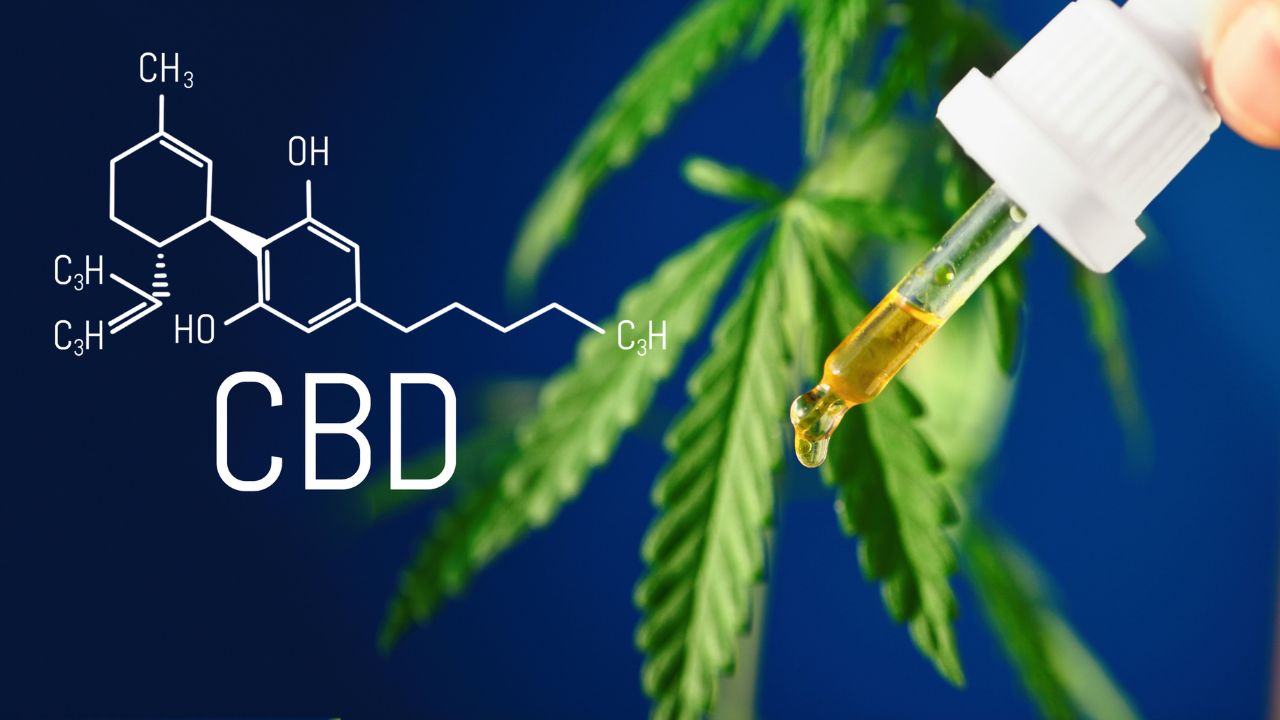
This article delves into the potential of CBD oil for pets and medicinal mushrooms as natural options for pain relief in pets. By exploring the endocannabinoid system, the medicinal properties of cannabis, mushrooms, and adaptogenic plants, and the importance of dosage and product selection, pet owners can unlock the benefits of these natural remedies.
Join us on a journey to discover how CBD and mushrooms can provide relief for your pets and improve their overall well-being.
The Pharmaceutical Industry and Pet Medications
The Concerning State of Veterinary Medicine and Pharmaceuticals
The current standard of care for pets has been created by pharmaceutical companies and followed by hospitals. However, this approach prioritizes profits over patients, and individual circumstances are often overlooked in favor of a one-size-fits-all approach. As a result, there has been a trend toward reclassifying human drugs as animal drugs. Companies such as Zoetis have made billions of dollars from pet medications, despite the fact that natural remedies could potentially provide similar relief.
The pharmaceutical industry has a vested interest in suppressing the use of natural remedies, as many drugs are based on substances found in nature. Nonetheless, medical practices such as homeopathy, traditional Chinese medicine, and Ayurveda have all achieved positive outcomes and may offer alternative pet treatments.
The current state of veterinary medicine and pharmaceuticals is a topic of concern for many pet owners. While it's commonly believed that veterinarians have all the answers to treating our pets' health issues, it's becoming clear that there are gaps in their education, particularly in nutrition and natural remedies.
Many drugs on the market have yet to be FDA-approved for animal use and are still marketed to veterinarians and pet owners. Additionally, the pharmaceutical industry profits from patenting compounds found in natural remedies, creating pharmaceutical drugs that can be sold for millions of dollars. As a result, pet owners need to do their research and carefully consider the medications they give their pets.
Pain Management in Dogs: A Complex Issue Requiring Holistic Approach
Pain management in dogs is a complex issue that requires a thorough understanding of the signaling pathways involved. Pain is transmitted through five different pathways, each with a unique mechanism of action. Unfortunately, most drugs developed to treat pain are designed to target only one of these pathways. This has led to a common practice of prescribing multiple medications to manage a dog's pain.
However, this approach can be problematic as it significantly burdens the dog's liver to metabolize and eliminate these synthetic drugs. The overuse of pain medication, such as steroids, NSAIDs, and opioids, can also have adverse effects on the dog's overall health. As such, a more holistic approach to pain management that considers alternative therapies and natural remedies may be warranted.
The use of multiple prescription medications for pain management in pets and elderly patients is a common practice. However, this approach often results in the liver metabolizing multiple synthetic drugs simultaneously, causing havoc on the body. In many cases, the pain persists, and the pet or patient experiences adverse side effects, such as sedation and a general feeling of unwellness. The problem of multiple medications for pain management is not limited to the pet world; it is also prevalent in the human world.
The pharmaceutical industry's marketing tactics and false claims to physicians and veterinarians are partly to blame for this trend. The use of opioids for pain management, in particular, is a significant concern due to their potential for addiction, overdose, and increased cancer metastasis risk. Some drugs, such as Gabapentin and Trazodone, shown to have harmful side effects in humans, are still prescribed to animals without FDA approval for their specific use.

The Science Behind CBD and Pain Relief
The Endocannabinoid System and Cannabis for Pain Relief
The endocannabinoid system is present in all animals and expressed throughout the nervous and immune systems, controlling pain through receptors such as CB1 and CB2. THC binds to these receptors to decrease pain sensitivity. Combining cannabis with other natural medicines can interact with all five pathways to pain without any harmful side effects.
The discovery of the endocannabinoid system began in 1988 with the first CB1 receptor, followed by the first endocannabinoid in 1992 and the discovery of the CB2 receptor in a dog's brain. In 2004, it was found that the endocannabinoid system can have a deficiency. By 2013, the endocannabinoid dome was renamed to include the entire pain signaling system and gut microbiome.
The endocannabinoid system is a crucial system in our body that controls all other systems and helps maintain homeostasis. It is present in every organ and cell, including the gut microbiome, and regulates pain pathways and perception. The system also has receptors throughout the brain, including the brain stem, which controls various bodily functions like blood pressure, appetite, and nausea.
The endocannabinoid system produces endocannabinoids like AEA and PEA, which regulate different bodily functions. However, when the body doesn't have enough endocannabinoids, phytocannabinoids from the cannabis plant, like THC and CBD, can be used as replacements to fulfill these deficiencies and bring the body back to homeostasis.
Exploring the Medicinal Properties of Cannabis, Mushrooms, and Adaptogenic Plants for Pain Relief
The cannabis plant is a fascinating subject of research. It has been found to have numerous medicinal properties. CBD and CBDA are two primary cannabinoids in the plant that provide analgesia and can enhance pain control when combined with PEA. PEA can be obtained from other animal and plant sources and supplement our endocannabinoid system. The cannabis sativa plant has two major cannabinoids: CBD and THC, and the amount of THC present determines whether it is considered marijuana or hemp.
Full-spectrum products, which contain all major cannabinoids, are recommended for their medicinal properties, including pain relief. It is essential to avoid broad-spectrum or isolate products that do not contain THC, as it is necessary for pain relief. The mature hemp flower contains over 140 terpenes and 23 flavonoids, which have medicinal properties and synergize with cannabinoids to produce the desired effects.
The entourage effect is the term used to describe the powerful synergistic effects of combining all the medicinal properties of cannabinoids and terpenes found in plants like cannabis and mushrooms. These compounds have been found to have numerous health benefits, such as being anti-inflammatory, anti-microbial, increasing appetite, aiding memory, relaxing muscles, and being an anti-anxiety agent.
Clinical studies have also shown that cannabinoids and flavonoids produce analgesia and anti-hyperalgesic effects and can effectively reduce pain compared to a placebo.
oreover, combining adaptogenic plants like mushrooms and cannabis makes them more potent and effective in addressing various health concerns such as osteoarthritis, periodontal disease, and chronic pain. Mushrooms like Chaga and Turkey Tail interact with the endocannabinoid system and have significant antioxidant and anti-cancer properties, making them a promising area of research for developing new medicines.
Research has shown that certain types of mushrooms reduce pain and inflammation. Reishi has been found to reduce inflammation, while Cordyceps prevents pain signals from being felt. Lions Mane is effective for neuropathic and nerve pain, while Chaga benefits joint pain due to its high ergot content. Artist Conk reduces inflammation, and King Trumpet is effective for chronic joint pain.
Psilocybin is also effective for all types of pain. In addition to mushrooms, several herbs and adaptogens such as Ashwagandha, Astragalus root, Berberine, Frankincense, Turmeric, Curcumin, Holy Basil, and Shilajit have also been found to have pain-relieving properties. These natural modalities have effectively controlled pain, inflammation, and arthritis in animals and humans.
Case Study: The Impact of Natural Remedies on CBD Oils For Dogs with Arthritis and Pain

In a case study, a dog was diagnosed with osteosarcoma, a type of bone cancer that spreads quickly to the lungs and often results in the loss of the dog within four to six months. However, the dog's owner developed a protocol that included a ketogenic diet of cool proteins, a full spectrum hemp extract with adaptogens like frankincense, turmeric, turkey tail, Reishi, Cordyceps, shiitake, Maitake, Artist Conk, and red belted conk, as well as THC for pain relief. The dog received this treatment for 26 months, and during that time, she remained active, had no pain, and showed no signs of metastasis.
Finally, after two years, the owner had to amputate the dog's leg due to another tumor that had grown on top of the original. Despite this setback, the protocol successfully controlled the dog's pain and slowed the spread of cancer, which amazed even some skeptical veterinarians.In just two months, they provided a full spectrum hemp extract and mushroom extract internally, along with a salve on the tumor, to a dog suffering from it. Miraculously, the cancer disappeared and never returned. The dog's mobility was greatly improved, and the speaker witnessed the joy of watching a dog free from pain and able to run and play again.
Another dog was diagnosed with degenerative myelopathy and was given a tincture that included turmeric and frankincense with full spectrum, and the condition never got worse. Thus, this is the importance of natural remedies for dogs, and a dosage of 12 milligrams of full-spectrum hemp extract for calming anxious dogs is recommended.
Unlocking the Benefits: Dosage and Natural Remedies for Your Anxious or Senior Dog
As pet parents, we always want the best for our pets, especially their well-being and comfort. Research suggests that around 12 milligrams of a full-spectrum hemp extract can work wonders if you know the appropriate dosage for calming your anxious dog. To enhance the calming effects, the lavender essential oil is often added to the formula, as the combination of terpenes in the hemp extract and lavender can quickly soothe your dog within just 20 minutes. Starting with half a dropper, approximately six milligrams, applied directly onto the gums for quick absorption, you can gauge your dog's response. If needed, you can administer another dose after 20 minutes.
The beauty of natural products like these is that there is no risk of harming or overdosing your pet. Natural medicines have no LD50, meaning no amount can cause harm or be fatal. If they receive too much, it will simply pass through their system.
For senior dogs experiencing stiffness or arthritis, a full dropper of a product containing frankincense and turmeric, known as "ease," is often effective. As your dog ages and experiences more degeneration, you may need to increase the dosage accordingly. Research suggests a daily dosage ranging from 50 to 100 milligrams of full-spectrum hemp extract for serious diseases like seizures, cancer, or autoimmune conditions in geriatric dogs.
It's important to note that each animal is unique, so finding the right dosage and product is a process of individual exploration. Opt for brands that grow their hemp organically, as per the farm bill regulations, and adhere to good manufacturing practices to ensure the plants and mushrooms are harvested at the right time for maximum medicinal properties. The valuable compounds are carefully preserved with meticulous extraction methods like supercritical CO2 extraction for hemp. Remember, choosing the right brand and finding what works best for your beloved pet is key to their well-being.
Pro Tips
Actionable Advice for Using CBD Oil for Dogs with Arthritis and Pain
- Consult your veterinarian before starting any new treatment.
- Choose high-quality, organic CBD oil designed for pets.
- Start with a low dose and monitor your dog's reaction.
- Keep a log of dosages and observed effects to discuss with your veterinarian.
Dosage and Product Selection
When selecting mushroom and hemp products for your pet, it's important to consider extraction methods, ingredients, and quality assurance.
- Look for products that are properly extracted and grown, ensuring effectiveness.
- Opt for bioavailable options that are easily absorbed when administered orally.
- Avoid additives and harmful substances.
- Check for a certificate of analysis from a third-party lab to verify quality and safety.
- Choose full-spectrum hemp extracts and products derived from the fruiting bodies of mushrooms.
- Prioritize natural growth conditions for mushrooms.
Considering these factors, you can provide your pet with the best natural remedies.
Conclusion
For pet owners seeking holistic solutions, it's essential to stay informed and open to alternative treatments like CBD oil for dogs with arthritis and pain. The Pet Summits platform is dedicated to providing comprehensive guides and actionable advice to ensure your pet's well-being.