


Ever wondered why your pooch suddenly morphs into a biting machine? Or maybe you’re puzzled by the odd chomp from an otherwise affectionate canine companion. Understanding Dog Biting Behavior, it turns out, is like piecing together a jigsaw puzzle – full of surprises and insights that make us appreciate our four-legged friends even more.
You see, there’s no one-size-fits-all answer to dog bites. Each snap has its story; each growl its gripe. Is your dog fearful or merely playing rough? Is their teeth too sharp for soft skin play?
In this guide, we’ll walk you through some key reasons dogs bite and how to read warning signs before they do. We’ll discuss how factors like fear, seasonal changes, training methods, and communication breakdown can lead to nips and nibbles.
Understanding Dog Biting Behavior
Understanding dog biting behavior can be a puzzling and worrying issue for many dog owners. But understanding why dogs bite, what provokes them, and the signs that may lead to a bite can help prevent these incidents.
The Subjectivity of Dog Biting
Nipping, mouthing, or biting? These terms may be used interchangeably, but they don’t have fixed definitions. It’s important to understand your own dog’s behaviors because not all bites are aggressive ones.
As expert dog trainer, Jo-Rosie Haffenden pointed out during our Out Of Control Dog Summit interview with Kelly Dunbar: “Some dogs mouth as part of their play style while others might do it when they feel threatened.” This highlights how different motivations can result in similar actions from our pets – an essential factor when trying to curb this kind of behavior.
Fear as a Motivator for Biting
Fear is one common reason behind many instances where dogs bite strangers. An unfamiliar environment or person could make any pooch feel uneasy enough to lash out defensively.
“Dogs need time to adjust and become comfortable around new people,” said Haffenden during her Out Of Control Dog Summit talk. “Forcing interactions before your pet feels secure could potentially trigger fear-based responses such as growls or even bites.”
- Key Stat 1: According to studies done by leading veterinary behaviorists, about half of all reported cases involve adult dogs reacting negatively towards someone unknown (* American Veterinary Medical Association).
- Key Stat 2: In a survey by the American Society for the Prevention of Cruelty to Animals, fear was identified as one of the most common reasons a dog bite occurs. (* ASPCA).
- Key Stat 3: Dogs that are scared or anxious are more likely to bite than those who feel secure and relaxed (* Journal of Veterinary Behavior).
Grasping your dog’s biting behavior is crucial to prevent unwelcome incidents. Remember, not all bites are aggressive; some dogs may bite as part of their play style or when threatened. Fear can often provoke a dog to bite, especially towards unfamiliar environments or people.
Therefore, allow time for your pet to adjust and feel secure in new situations.
Winter Season and Dog Behavior
The winter season can cause a dramatic shift in understanding dog biting behavior. With cold temperatures and fewer daylight hours, dogs tend to spend more time indoors which can lead to increased stress levels.
Indoor Stressors and Reduced Exercise
In winter, lots of outdoor activities that our dogs love to do become unavailable due to the weather. This means less exercise for them, which may increase their stress levels. According to Jo-Rosie Haffenden, a professional dog trainer interviewed at the Out Of Control Dog Summit by Kelly Dunbar, “Dogs need regular physical activity”.
Just like humans benefit from maintaining fitness routines during colder months, so do our pets.
When stuck inside all day because of harsh weather conditions outside or reduced family outings due to shorter days and longer nights, your pet might start exhibiting different behaviors – such as play biting or becoming overly clingy – these are signs they’re not getting enough mental stimulation or exercise. “The change in routine could make your normally calm dog feel stressed out,” says Dunbar.
Increased Presence of Visitors
Around the holiday season, we often see family members come over more frequently than usual. While it’s always nice having loved ones around us celebrating together, it’s important we remember this sudden influx of visitors can disrupt a dog’s normal routine causing undue anxiety.
Kelly Dunbar points out that “Sudden changes in environment like additional people moving about can trigger unusual responses from even well-adjusted dogs.” This could potentially lead to stressful situations where incidents of bites occur if care isn’t taken with how interactions are managed.
Kelly Dunbar suggests remaining calm, avoiding direct eye contact, and letting the dog initiate any interaction to make them feel more comfortable.
She also mentions a good way to keep dogs entertained during these gatherings is to have interactive play sessions with toys they like – but it’s crucial we stick to their regular routine as much as possible. She says, “Maintaining your pet’s usual schedule can really help reduce stress.”
It’s crucial to keep your dogs engaged and active during these colder months. Regular exercise and mental stimulation can help reduce stress, preventing unusual behaviors like play biting or clinginess. Be mindful of the additional pressures holidays might bring with visitors disrupting their routine.
Proper management is key to avoiding anxious responses or even bites.
Collar Grabs and Redirected Aggression
Unsettling as it may be, sometimes our own actions can inadvertently provoke aggression in dogs. But what if we told you that sometimes, pet owners unintentionally contribute to raising an aggressive dog?
Take collar grabs for example. In a conversation with professional dog trainer Jo-Rosie Haffenden at the Out Of Control Dog Summit, she explained how improper use of collar grabs could lead to redirected aggressive biting.
Training Dogs for Positive Response to Collar Grabs
Many pet owners often think grabbing their dogs by the collar is harmless. After all, they’re just animals, right? Well not exactly. It turns out; dogs are sensitive creatures who need respect too.
“Dogs don’t naturally understand why humans grab their collars,” Jo-Rosie points out. “If done incorrectly or frequently without any positive association, your pup may associate it with negative experiences.”
This kind of situation creates stress in your pooch which might result in aggressive behavior when their neck or head area is touched again – even if it’s accidental.
To combat this issue, we need to use conditioning and positive reinforcement. When you make collar grabbing a pleasant experience filled with treats or praises instead of a precursor to something unpleasant like nail trims or baths, your dog starts associating it with good things.
The same goes when introducing new elements in their environment – do it gradually while rewarding them for calm behavior.
Even playing fun games is something you can do.
Introduce new experiences gradually. By associating collar grabs with rewards, we can help change a dog’s negative perception and prevent any potential aggression. Remember, it’s crucial to always handle your pets with love and care.
Communication Breakdowns Leading to Biting Incidents
It’s a fact that misunderstanding your dog can lead to biting incidents. A lot of times, misreading a pup’s body language and boundaries can be the source of biting incidents. Our expert guest, Jo-Rosie Haffenden, emphasized this during her interview at the Out Of Control Dog Summit.
The problem often arises when we fail to respect our dogs’ personal space or misunderstand their warning signs. For instance, if you ignore an anxious look in your pet’s eyes before they bite hard.
Relationship Problems and Biting
A rocky relationship between humans and their pets can also contribute significantly towards aggressive behavior like biting people. Trust can be broken multiple times, leading to aggressive behavior such as a dog bite.
Dog training expert, Kelly Dunbar, knows all about this issue firsthand from her experience with adult dogs who haven’t learned proper bite inhibition as puppies because the owners were not able to recognize the reasons for their dog bites early on.
“Bite prevention starts with understanding,” says Kelly. “When I ignored my dog showing his teeth while playing with chew toys – which were warning signs – he bit me.” She further explained how ignoring these signals made her beloved pooch uncomfortable leading him eventually resorting to using his mouth out of frustration.
Side note: it’s essential to always seek medical attention after any sort of injury caused by a dog’s mouth – even those that don’t break skin could still pose risk due to infection or other complications.
Painful Play and Misunderstandings
Understanding dog biting behavior in puppies is where it all begins. We might consider it cute when a puppy bites us playfully. However, as the dog grows up and its bite becomes painful play, we fail to understand that this is an extension of their natural instinct.
It’s common for dogs to use their mouth in play or exploration, but biting hard can indicate frustration or anxiety. This was explained by Jo-Rosie Haffenden during her talk at our summit.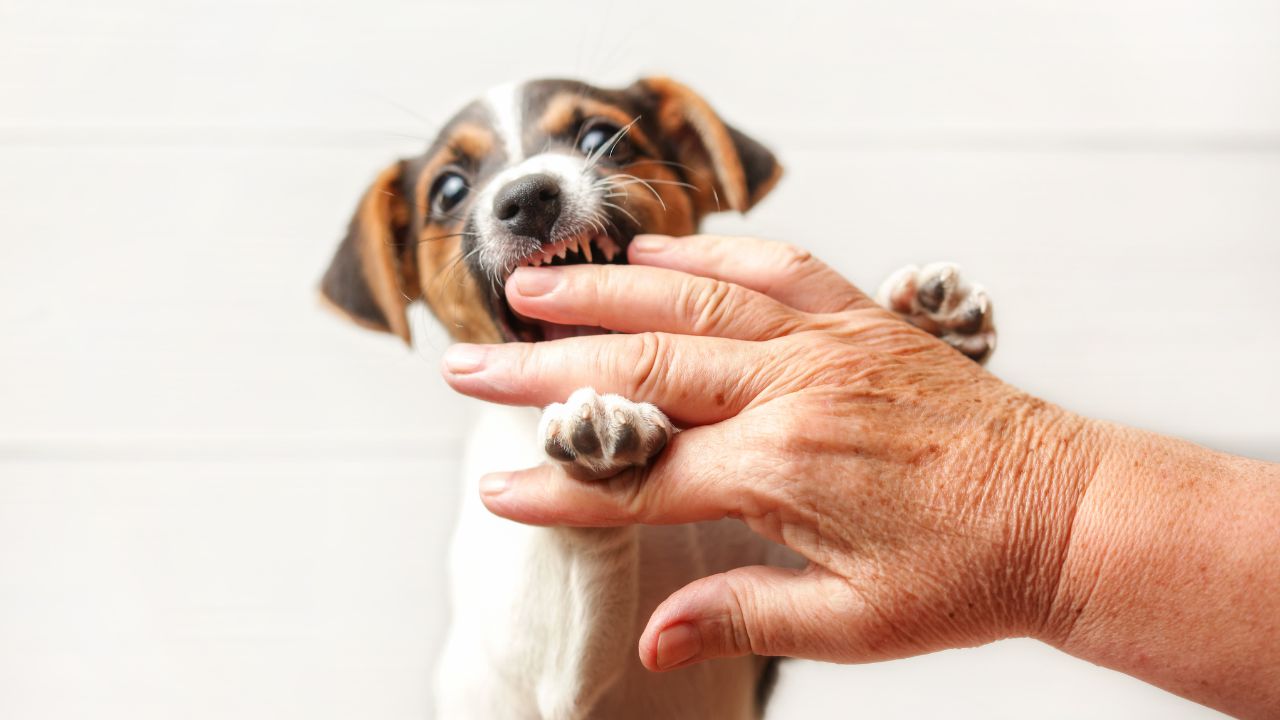
Understanding your dog’s body language and respecting their boundaries can prevent biting incidents. Breakdowns in communication, strained relationships, or misinterpretations of playful behavior often contribute to these issues.
It’s crucial to seek expert help when you notice warning signs like anxious looks or teeth showing during play.
Non-Confrontational Methods in Dog Training
The core of non-confrontational dog training is clear communication and understanding. This method focuses on rewarding good behavior rather than punishing mistakes, making it a great way to build trust with your pet.
Asking a Dog to Move Instead of Physical Manipulation
Jo-Rosie Haffenden, an expert dog trainer, shares that physical manipulation can often lead dogs to feel threatened or uncomfortable. It’s important not just for the safety of trainers but also for creating a positive learning environment for our pets.
Rather than forcing them into positions or actions, we should guide them using verbal cues and body language. An example would be teaching your dog the command ‘off’ instead of pushing him off furniture.
Avoiding direct eye contact when instructing can help make sure you don’t unintentionally intimidate your pet. Eye contact could be interpreted as confrontational by some dogs which may trigger defensive behaviors such as biting.
The Power of Positive Reinforcement
In understanding dog biting behavior with non-confrontational methods, praise plays an integral role in helping dogs understand what is expected from them. As Kelly Dunbar notes during the Out Of Control Dog Summit, “The goal isn’t just about getting the behavior right now—it’s about setting up long-term habits.”
Creating a Safe Environment
Creating a safe environment for your dog is crucial for effective and non-confrontational training. When you’re out walking and come across an unleashed dog approaching too quickly or closely, it’s acceptable to intervene by stepping between them or altering your path altogether.
This helps your pup develop better responses when confronted with such triggers, enabling them to navigate their surroundings with ease and confidence.
Non-confrontational dog training hinges on clear communication and rewarding good behavior. This approach, which involves using verbal cues rather than physical manipulation, fosters a positive learning environment for your pet. Consistent praise helps dogs understand expectations while avoiding actions like biting.
Remember, creating a safe space is key to helping your pet navigate their world confidently.
The Role of Praise and Affection in Dog Training
When it comes to dog training, praise and affection can work wonders. Jo-Rosie Haffenden suggests, “Dogs thrive on positive reinforcement; they respond enthusiastically to verbal affirmations coupled with gentle pats or scratches.” It’s a strategy that appeals directly to the dog’s natural instinct for approval and companionship.
Praising your pooch goes beyond saying ‘good boy’ or ‘good girl’. You should be specific about what you’re praising them for. Letting them know exactly which action has earned our approval helps reinforce the desired behavior.
And remember, timing is key. Make sure you offer praise immediately after your pet exhibits good behavior so they make the right connection.
Body Language Matters
An often hidden or unknown way of understanding dog biting behavior comes down to body language. Reading a dog’s body language is as crucial as using ours effectively during training sessions. A wagging tail or perked ears can indicate whether they understand what we’re trying to communicate. Likewise, our actions – how we hold ourselves, where we look – all send signals that dogs pick up on.
Maintaining eye contact might seem like an excellent way to show assertiveness but watch out – many dogs perceive this as threatening rather than reassuring.
Tailoring Rewards To Your Pet’s Preferences
All pets are different – some may love belly rubs while others prefer chew toys over physical touch entirely. Finding out what form of affection works best for your pup could mean the difference between successful training and unnecessary stress both for you and your dog.
To figure out what your dog likes, spend time observing them. You might notice they prefer a particular type of touch or react positively to specific words and tones.
The Impact Of Affection In Training
Consistent positive reinforcement not only helps shape behavior but also strengthens the bond between you and your pet. This connection is vital for training as it builds trust – an essential component in teaching new commands or breaking bad habits.
Jo-Rosie Haffenden stresses a crucial point: “A strong relationship is one that’s built on mutual respect and trust.” She asserts this as the foundation for successful dog training.
Effective dog training leans heavily on praise, affection, and understanding your pet’s body language. It goes beyond simply saying ‘good boy’, being specific about what behavior is rewarded helps reinforce it. Pay attention to your own actions too as dogs pick up signals from our body language.
Tailor rewards based on what works best for your pet; this could be a belly rub or maybe their favorite treat. Remember that each dog is unique so keep experimenting until you find the perfect reward system.
Conclusion
Cracking the code of understanding dog biting behavior is like solving a puzzle. Each piece matters, and each signal counts.
From understanding that fear often drives dogs to bite, to recognizing how winter stress can up their anxiety and trigger bites.
We’ve learned collar grabs need finesse; positive reinforcement helps here. Communication breakdowns also play a role in provoking our pets into biting incidents.
Remember, non-confrontational methods are key for training without conflict while praise and affection reinforce good behaviors effectively.
Pet Summits has spent years assisting pet owners in resolving these issues. With a vast network of over 170 trusted experts, we provide solutions for all your pet care needs. Our dog training program is science-backed and expert-led.
To explore holistic principles further, we invite you to join our Pet Summits Membership. Gain access to a wealth of knowledge and expertise dedicated to the well-being of your pets.
Above all else though – patience! It’s crucial in Understanding Dog Biting Behavior. With time, observation and consistency we will make our canine companions feel safer, happier and less likely to resort to using their teeth!