

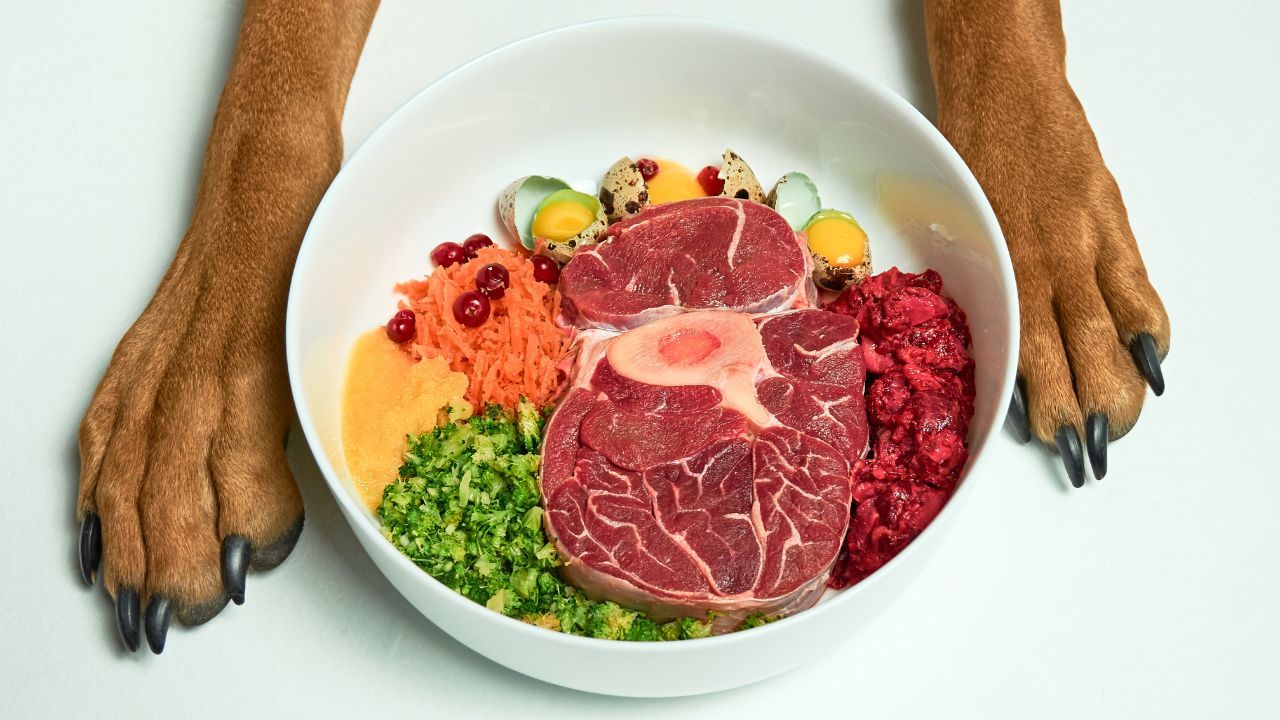
Have you ever looked at your pet’s food bowl and wondered if you’re giving them the best nutrition? Many pet owners quickly stumble upon raw feeding and open up a whole new world of pet nutrition that is eye-opening to say the least. Raw feeding is all about giving our pets meals that mimic what they would eat in the wild. However, achieving the importance of nutritional balance in raw feeding requires some exploration.
It goes well beyond simply replacing commercial kibble with chunks of meat or bones.
In this article about balanced diets for pets, we’ll look at the challenges and numerous benefits. We’ll debunk common myths surrounding raw feeding and we’ll explain the importance of nutritional balance in raw feeding for pets.
The Rise of Raw Feeding
Over the past few years, raw feeding has seen a significant rise in popularity among pet owners. This surge can be attributed to increasing awareness about the health benefits that a balanced diet offers our dogs.

Understanding the Basics of Raw Feeding
A dog’s natural food diet consists mainly of raw meat and bones. As wild dogs consume their prey whole, they get an array of essential nutrients from muscle meat, bones, organs, and even fur or feathers.
However, domesticated pets need us to replicate this balance for them when we feed them a raw food diet.
A balanced raw diet typically includes various types of meats like beef or chicken (muscle meat), organ meats such as liver and kidney (which are nutrient-dense), ground bone for calcium and phosphorus content plus fruits & vegetables which provide necessary vitamins and fiber.
Debunking Myths about Raw Feeding
Misconceptions surrounding bacterial contamination have created unnecessary fear around raw diets. But let’s set things straight: handling any kind of pet food requires good hygiene practices to avoid cross-contamination – whether it’s kibble or a steak.
Dogs have shorter digestive tracts than humans which makes them less susceptible to bacteria found in uncooked foods. Furthermore, proper storage techniques help maintain freshness while reducing risks associated with pathogens.
Commercial vs DIY Raw Diets
The choice between commercial and DIY raw diets often boils down to convenience versus control. Commercial pet food diets offer ease of use but may lack variety or include unwanted and unregulated synthetic filler ingredients.
By preparing your dog’s meals yourself, you can carefully choose ingredients and avoid any potential allergens. This allows for better control over their diet and the ability to monitor their health closely, making necessary adjustments as required.
The FDA says that they “require that all animal foods, like human foods, be safe to eat, produced under sanitary conditions, contain no harmful substances, and be truthfully labeled”.
Yet we continue to see headlines (that are often hidden) that say “‘Millions’ of roaches plagued maker of Pedigree, IAMS, Cesar, other pet foods“.
Many of the veterinarians we’ve interviewed talk about the horror stories they have seen over the decades they have helped our pets.
Raw feeding for pets has grown in popularity due to its health benefits, offering a balanced diet similar to what dogs would naturally consume. Despite fears about bacterial contamination, good hygiene and storage practices can minimize risks. The choice between commercial or DIY raw diets depends on convenience versus control over ingredients and the ability to tailor it based on your pet’s needs.
Convenience of Commercial Raw Diets
The primary advantage of commercial raw diets is convenience. They come pre-prepared with the essential nutrients for your pup’s diet, guaranteeing that they get what they require without much hassle on your end.
However, it’s crucial to remember that not all commercial pet food is created equal – some may lack quality or essential amino acids vital for optimal health.
A common criticism of these convenient options lies in their limitations; customization isn’t always possible with commercial pet food diet. What you see is essentially what you get – there’s little room to tweak ingredients based on individual dietary needs or preferences.
If your dog dislikes chicken but loves beef, he might have a hard time adjusting if his preferred protein source isn’t readily available from the brand chosen.
This lack of flexibility can be frustrating when trying to cater specifically to your dog’s unique tastes and nutritional requirements. PetMD suggests examining product labels carefully before purchasing as some products marketed as ‘raw’ are still processed significantly more than one would expect.
Flexibility and Cost-effectiveness of DIY Raw Diets
Moving onto DIY raw food diets – where ingredient control reigns supreme. These types offer significant flexibility since you’re preparing everything yourself using human consumption grade materials: meaty bones, ground bone content–the works.
You know exactly what goes into each meal–no mystery meats or fillers here–and it allows you to adjust portions based on your dog’s physical condition. For instance, if they’re showing signs of weight gain or loss, you can easily modify their intake.
One major perk that often goes overlooked is the potential cost savings involved with DIY raw food diets. Depending on where you source your ingredients from and how much food your pet consumes daily, homemade meals could be a financially sound choice for many households.
But remember, even though you can better control what goes into your recipe with this method and save some cash at times,
Commercial vs DIY Raw Diets: Commercial raw diets offer convenience and pre-packaged nutrients, but lack customization. Not all commercial food provides the same quality or essential amino acids for your dog’s health. On the other hand, DIY raw diets give you control over ingredients and portion sizes, potentially saving money based on sourcing and consumption rates.
The Importance of Nutritional Balance in Raw Feeding
Feeding your dog a raw diet is more than just tossing them a slab of meat. A balanced raw diet means ensuring all necessary nutrients are provided, with each meal carefully calculated to meet their specific needs.
Role of Variety in a Balanced Raw Diet
A well-rounded, balanced raw diet, includes variety. This isn’t simply about giving different flavors to tickle your pet’s palate but serves an essential purpose – nutrient absorption.
Variety prevents nutritional imbalances that can occur if there’s too much focus on one type of food or nutrient group. For instance, feeding solely muscle meat might cause deficiencies because it doesn’t contain all the essential amino acids dogs need for good health and peak physical condition.
An optimal mix often involves various types of raw foods such as muscle meats, organ meats (like liver and kidney), ground bone for calcium supply and even some fruits or vegetables which act as natural sources for certain vitamins and minerals.
In our recent interview with Ruby Balaram at Pet Summits’ Raw & Natural Feeding Summit hosted by Dr. Ian Billinghurst, she emphasizes: “The key here is balance over time.”
The Risk of Nutrient Deficiencies
One major concern when shifting from processed dog food to a DIY balanced raw diet comes from the risk associated with potential nutrient deficiencies.
In fact, 95% of owners who feed their pets homemade diets without guidance fail to meet all minimum requirements set by the American Feed Control Officials (AFCO). This tells us that there is a significant lack of education for pet owners.
This problem is a huge reason why we started the Pet Summits Membership e-learning platform.
Raw diets lacking in variety can result in an imbalance of nutrients. A diet that is too heavily focused on meat with not enough vegetables could result in an excess of protein and a lack of essential vitamins.
Dogs digest food differently than humans; they need specific amounts and ratios of nutrients that are not always intuitive to us.
Raw feeding isn’t a free-for-all: It’s about balancing nutrients, not just serving meat. Variety is key for nutrient absorption and to prevent imbalances. DIY raw diets risk nutrient deficiencies without proper guidance – dogs need specific ratios that aren’t intuitive for us.
Health Benefits of Raw Feeding
One major perk is improved digestion. A healthy gut plays an essential role in overall well-being, and raw food diets promote good gut health. This is because they are high in enzymes that aid digestion.
Digestive Health and Raw Feeding
A balanced diet full of fresh, unprocessed foods naturally contains the digestive enzymes dogs need for optimal gut health. Dogs on a cooked or processed food diet often lack these necessary enzymes which can lead to poor nutrient absorption and various digestive issues.
In contrast, raw feeding encourages better nutrient absorption due to its enzyme-rich nature. This means your dog gets more out of every bite.
This concept was explained by Ruby Balaram during our Raw & Natural Feeding Summit, where she mentioned how natural source nutrients found in a raw food diet are easily digestible and bioavailable for dogs compared to those from processed pet foods.
Skin Health and Dental Hygiene
Beyond aiding digestion, there’s also evidence that suggests a well-balanced raw diet contributes towards healthier skin conditions in pets while improving dental hygiene significantly.
Fatty acids present abundantly within muscle meat ingredients of the meal serve as nourishment for the skin – keeping it healthy with less occurrence of allergies or infections commonly seen among kibble-fed counterparts.
Moving onto teeth – one key benefit touted by proponents like Dr. Ian Billinghurst at our summit has been cleaner teeth resulting from chewing whole bones included within such meals; something ground commercial pet food just cannot compete with.
According to Dr. Billinghurst, “Dental benefits are greater with raw meaty bones compared to ground commercial food.”
Energy Levels and Weight Management
Don’t overlook the major health perk of raw feeding—it significantly boosts energy levels.
Dr. Ian Billinghurst’s books are a treasure trove of information, distilling decades of research and hands-on experience of raw feeding into easy-to-understand guides that empower pet owners to provide optimal nutrition for their furry friends. Click here to check them out.
Conclusion
The importance of nutritional balance in raw feeding is clear. A nutritious diet is vital to a pet’s well-being and contentment.
Remember, commercial diets may offer convenience but they might not provide all the nutrients required for optimal health. DIY raw food diets, on the other hand, give you control over ingredients while being cost-effective.
Don’t forget – variety plays a key role in preventing nutritional imbalances. Overlooking this can lead to nutrient deficiencies and related health concerns.
Last but not least, think about those potential benefits! Improved digestion? Healthier skin? Cleaner teeth? Raw feeding could make these possible for your pets! We have many raw feeding courses and summits that explore this in more depth. Click here to learn more.
In conclusion: Take it slow, do your research and let’s make sure our dogs get what they need to thrive on their new food adventure!