

In recent years, we’ve witnessed an alarming surge in the incidence of disease in our cherished pets. According to a report by Banfield Pet Hospital, the number of dogs diagnosed with diabetes has skyrocketed by nearly 80% in the past decade. This escalating trend is not just constrained to canines – our feline companions are not spared either, with a startling increase of 18% in diabetes over the same period. A host of other ailments like kidney disease, obesity, and cancer are also on the rise. Many leading veterinary experts attribute this worrying trend, in part, to the ubiquitous use of commercial pet food. These mass-produced, highly processed products, while convenient and economical, are often laden with questionable ingredients and lack the vital nutrients that our pets need to thrive.
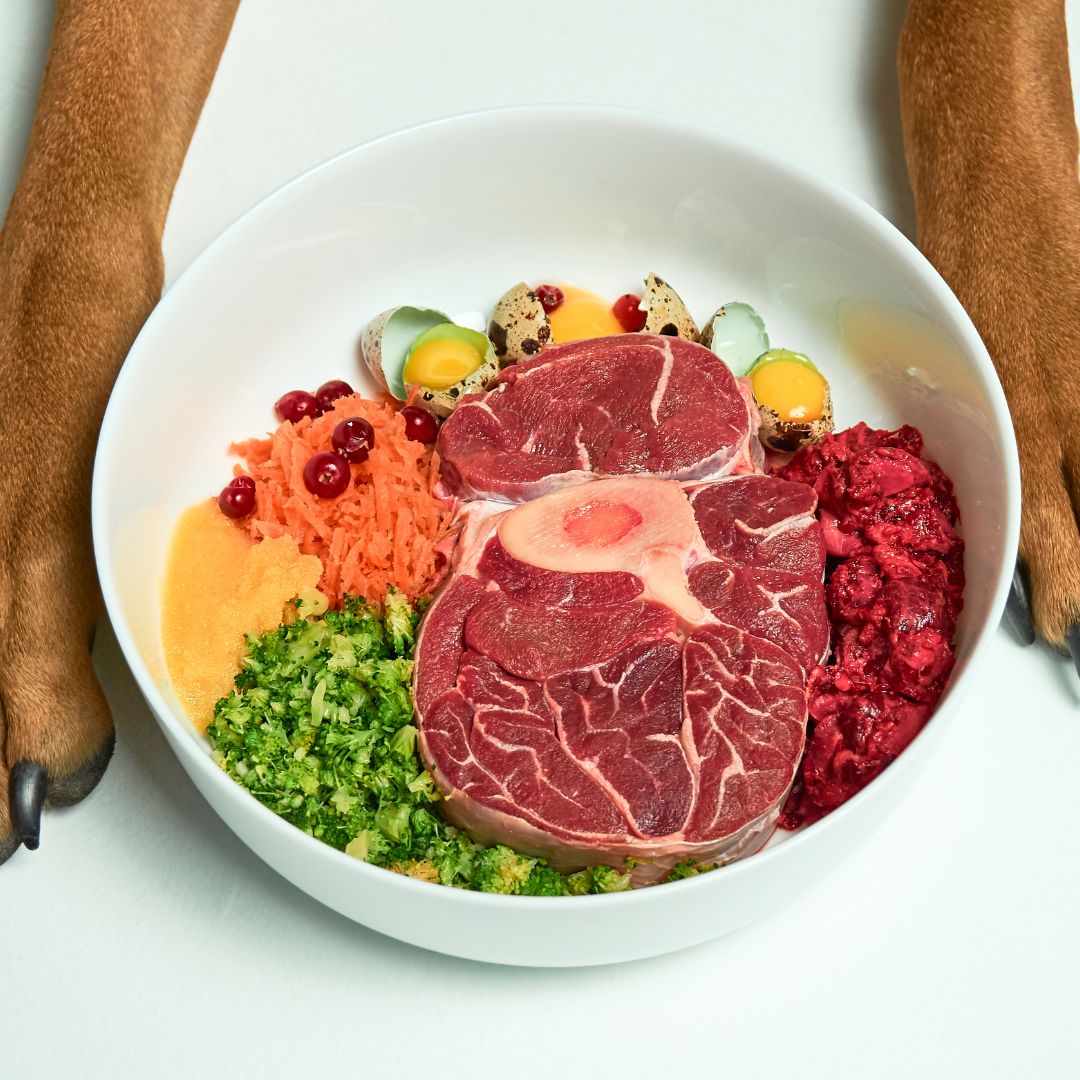
In an attempt to buck this trend, many conscientious pet owners are turning to raw feeding — a practice that involves providing pets with a diet of raw meat, bones, fruits, and vegetables, mimicking what they would naturally consume in the wild. This approach, however, is fraught with challenges. The biggest challenge is the amount of misinformation surrounding raw feeding.
The confusion surrounding raw feeding doesn’t seem to be accidental, but rather an orchestrated effort by the commercial pet food industry. Rumors of studies discrediting raw feeding and accounts of vets dissuaded from endorsing the practice raise questions about the industry’s influence. It’s an inconvenient truth to acknowledge — the very entities entrusted with our pets’ well-being may be involved in a conspiracy to keep pet owners tethered to commercial food products.
The truth is, pet food companies do not want owners to go down the path of raw feeding their pets. It appears that they seek ways to make this journey as confusing and difficult as possible for pet owners, making it extremely difficult for them to understand what they should be feeding their beloved animals.
When you turn to Google in the quest for reliable information on raw feeding, you are met with an overwhelming variety of faceless blog posts, each making its own bold claims. The trustworthiness of these sources is questionable at best, as it’s often unclear who is behind the information and what their motivations might be. Many of these posts are designed not necessarily to provide accurate, unbiased advice, but to maximize their visibility in search engine algorithms and thereby generate revenue. This means that the information presented is often skewed towards popular opinion or what will earn the most clicks, rather than what will best serve the health and well-being of our pets.
When it comes to raw feeding risks, we’ve found that the least risky part of it all is actually raw food. While the biggest risk is the disinformation that circulates around the internet, confusing pet owners, that then leads to no action taken at all. So the real question becomes, what is the truth to it all?
During our research, we’ve found there are 5 major challenges that pet owners face when researching raw feeding. They are:
Pain Point 1: Understanding Nutritional Balance
The first major hurdle that pet owners face when transitioning to raw feeding is understanding the nutritional balance. This involves much more than simply serving raw meat. Essential vitamins, minerals, and other nutrients often come from non-meat sources such as fruits, vegetables, and certain grains.
While understanding nutritional balance can indeed seem challenging at first, it’s important not to let this deter you. If we think about our pets in the wild, they wouldn’t have a nutritionist on hand to balance every meal – yet, they would thrive. They would eat a variety of foods, depending on availability, which over time would provide a balanced diet.
If you do want to learn more, we recommend diving deeper with Dr. Ian Billinghurst.
Pain Point 2: Time and Convenience
Another significant pain point of raw feeding is the time and effort required. Preparing a balanced raw diet for pets can be time-consuming, especially for those with multiple pets or large dogs. Where kibble can be scooped and served within seconds, raw feeding requires meal planning, shopping for varied ingredients, preparation, and proper storage. It’s a far cry from the convenience of commercial pet food, becoming a deterrent for many pet owners.
While it’s true that transitioning to raw feeding might initially seem daunting due to the perceived time and effort involved, we need to consider the long-term picture. Commercial pet food, while convenient, can lead to a range of health problems in pets, from obesity and allergies to more serious chronic conditions. Treating these health issues can mean frequent vet visits, expensive treatments, and a significant amount of worry and stress. In fact, the ‘convenience’ of commercial pet food can often end up costing pet owners much more in the long run, both in terms of time and money.
Pain Point 3: Cost
Cost is yet another factor that complicates the transition to raw feeding. Quality raw ingredients often come with a higher price tag compared to commercial pet food, especially when considering the variety needed for a balanced diet. This includes not only meats but also fruits, vegetables, and supplements. While many pet owners believe the potential health benefits justify the expense, it can still be a stumbling block for those on a tight budget.
However, when considering the cost, we need to look at the long-term picture. Yes, processed food might seem cheaper and easier now, but the hidden costs can add up over time. If your pet’s diet isn’t nutritionally rich, they could face health problems down the line. These health issues can lead to frequent and costly vet visits and medications. So, while raw feeding may seem like a more expensive choice at first glance, it can actually save you money—and your pet’s health—in the long run.
Plus there are many ways to make raw feeding more affordable than it may immediately appear. Dr Ian Billinghurst has many great tips in his online course.
Pain Point 4: Feeding Safety
When you begin researching raw feeding you are told that it presents challenges in terms of feeding safety. We are told there is an increased risk of bacterial contamination with raw food, which can pose health risks not only to pets but also to the family. But is this really true? Sure, safe handling and proper storage are paramount, and a lapse in either could lead to serious health issues, but when you look at the real scientific data, there are significantly more recalls on kibble than issues with raw feeding. This is simply yet another example of cherry-picking data that the commercial pet food industry uses to keep you confused.
Pain Point 5: Navigating Misinformation
Arguably the most pervasive pain point in raw feeding is the sheer amount of misinformation and contradictory advice available online. This makes it difficult for pet owners to know who or what to trust. Some sources might overly simplify raw feeding, while others may exaggerate its complexity or risks. Sorting through this information can be daunting for newbies in raw feeding, making it challenging to start the journey confidently.
Another tactic is the control of veterinary education. Vets play a pivotal role in shaping pet owners’ opinions about diet and nutrition. Many vets receive their nutritional training from resources influenced by pet food companies. Our vets are already overworked, underpaid, stuck in a pile of admin, and moving from one emergency to the next. They don’t have time to look deeper into nutrition to find out if what they are told is even correct.
The commercial pet food industry also capitalizes on the convenience factor, constantly reminding pet owners about the time, effort, and complexity involved in raw feeding. They project their products as the easy, hassle-free alternative — a balanced diet in a bag or can, requiring no effort from the owner.
Conclusion:
The intent is not to vilify all commercial pet food companies or suggest a widespread conspiracy, but rather to highlight the potential conflicts of interest and encourage pet owners to question the status quo. It’s critical that pet owners do their own research, consult with open-minded vets, and make an informed decision about their pet’s diet. Raw feeding is not without its challenges, but with proper knowledge and guidance, it can be a healthy, rewarding practice that contributes positively to our pets’ overall well-being.
If you’re curious to go deeper on this topic we’d encourage to check out The BARF Method by Dr Ian Billinghurst. Check it out now and get the real truth about it raw feeding based on 40+ years of research.