


Separation anxiety in dogs is a common issue that can affect their quality of life. Understanding and preventing separation anxiety is crucial for both the pet and the pet parent. This article is based on the teachings of Ness Jones, a Certified Separation Anxiety Pro Behaviour Consultant with a Diploma in Canine Behaviour. It's also part of the Pet Summits platform, which features over 170 experts in the field.
Separation anxiety in dogs varies greatly, influenced by breed, past experiences, and temperament. Addressing this condition involves tailored interventions, patience, understanding, and proactive planning. The following article provides insights on various preventative measures and coping mechanisms for dogs dealing with separation anxiety, with the goal of helping pet parents better understand their pets' emotional needs.
Understanding Separation Anxiety in Dogs
Preventing separation anxiety in dogs starts with understanding the condition. Separation anxiety in dogs is an emotional disorder when they experience distress upon being left alone. Approximately 20% to 55% of dogs may have separation anxiety, possibly amplified by lifestyle changes due to global lockdowns. Studies also indicate that male dogs may be slightly more prone to this condition.
Identifying Signs of Separation Anxiety
Separation anxiety may manifest in various ways, including urinating and defecating indoors, barking, howling, crying, whining, trembling, panting heavily, destructive behavior, escaping attempts, pacing, and even eating excrement. These signs are often more exaggerated than normal behavior and may occur before their pet parents leave home.
Potential Causes and Prevention
Several factors contribute to the onset of separation anxiety. These include genetic predisposition, the dog's early environment, past experiences, and trauma. Some dog breeds are more prone to anxiety, while a stressful early environment or traumatic experiences can influence their mental state. Therefore, choose your breed carefully and provide your puppies with a positive, stimulating environment.
Socialization and exposure to different environments from birth to nine months can make dogs more confident and adaptable, thus reducing the risk of separation anxiety. Abrupt changes in household routines or significant life changes can also trigger anxiety, so keep your dog's routine consistent and provide extra support during stressful periods.
Moving, changes in work schedules due to remote working, or other alterations to a dog's environment can unsettle them. Similarly, health issues and age-related cognitive decline may impact their ability to cope with solitude.
How to Handle Separation Anxiety in Rescue Dogs
Rescue dogs might be particularly susceptible to separation anxiety due to unknown past experiences. Therefore, dedicate some time to home-alone training to help them adapt to their new surroundings. Keep in mind adjustment can take time and patience.
Importance of Veterinary Checks
An essential step in addressing separation anxiety is a thorough vet check to rule out health problems that might contribute to anxiety. Particularly for older dogs, pain from arthritis or changes in eyesight or hearing could exacerbate feelings of distress when left alone. Treating underlying health issues can greatly improve your dog's ability to cope with being alone.
Remember, puppies are much like toddlers - they need company and should not be left alone for long periods. Be mindful when leaving them alone and provide a safe, comfortable environment.
Understanding Canine Body Language
To prevent separation anxiety in dogs, we need first to understand what our pets are trying to tell us. They communicate using a myriad of signals and behaviors that may indicate their emotions. Lip licking, yawning, scratching, pawing, and even sniffing can be signs of anxiety.
However, it's crucial to consider the context these behaviors are observed, as it can greatly alter their meaning. For instance, a dog might lick its lips because it's anxious or simply because it just had a drink. Observing your pet's behavior in different situations is essential for understanding their comfort levels.
Misconstrued Symptoms of Anxiety
It's essential to differentiate between the symptoms of separation anxiety and other potential issues. For example, if your dog is scratching or licking incessantly alone, it might not necessarily signal anxiety. Instead, it could be an allergic reaction causing discomfort. It's crucial to address such health concerns promptly as they can directly impact the dog's ability to be alone comfortably.
The Role of Socialization and Exposure
Exposing your pet to varied environments and situations is crucial to build their confidence. Their level of socialization and confidence directly impacts the ability of dogs to be comfortable alone at home. Pets accustomed to constant human presence might struggle to adapt to solitude, as observed during lockdown periods when pet owners were constantly home.
Tackling FOMO in Dogs
'Fear of Missing Out,' or FOMO, can be another cause of distress when pets are left alone. Dogs, especially energetic teenagers, might feel frustrated if they're not included in activities. While it's not the same as separation anxiety, it requires attention as it can morph into anxiety if not managed appropriately. An essential part of managing this FOMO involves providing exercise enrichment and scheduling calm time for your pet.
The Importance of Exercise and Enrichment
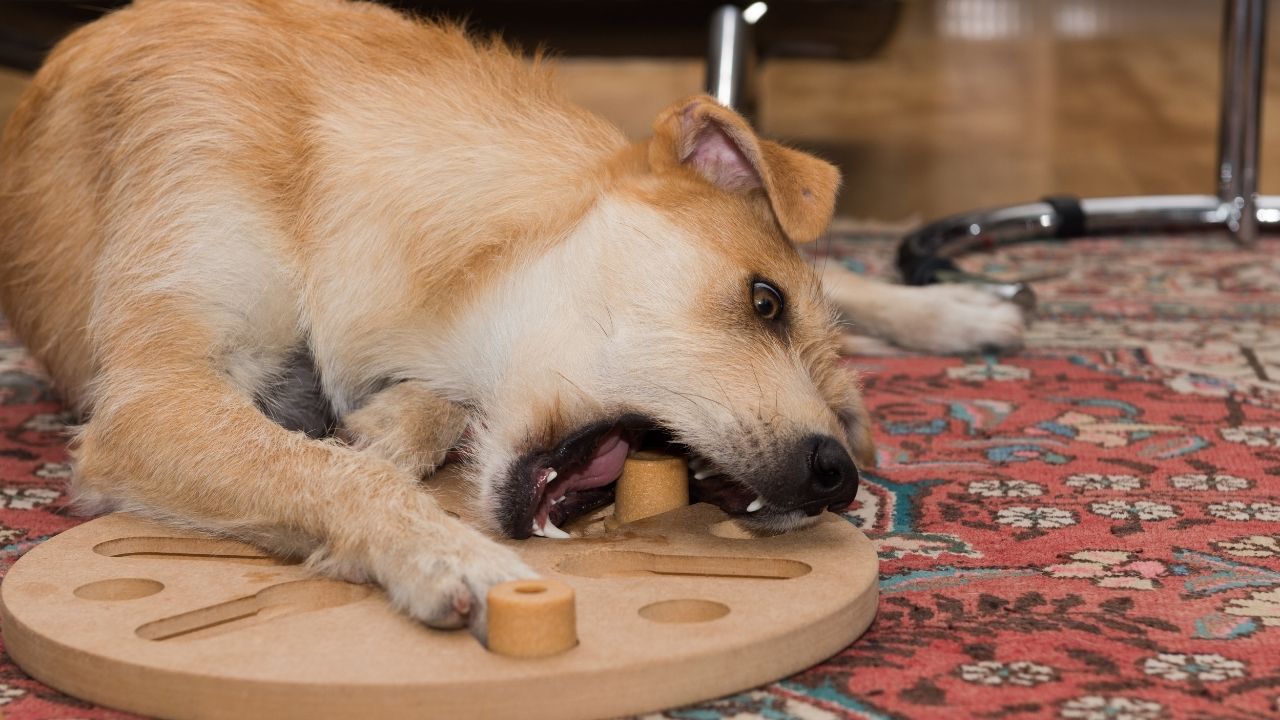
Ensuring your pet gets sufficient physical and mental exercise is vital to help them cope with your absences. Regular exercise can help control their weight, improve their mood, promote better sleep, and decrease depression, anxiety, and stress. Meanwhile, enrichment activities like training tricks, food-based puzzles, and scent games can help reduce stress, promote optimism, and keep them occupied.
Managing Absences: A Gentle Approach
Managing your absences is a crucial strategy in preventing separation anxiety. This involves ensuring your dog is only left alone once it can comfortably handle solitude. Forcing independence on your dog, especially when it's a young puppy, can cause more harm than good. Gradual exposure to short, safe absences is the recommended approach.
The Threshold of Panic
Understanding your dog's panic threshold is essential for successful training. The threshold is where your dog starts to panic and varies between dogs. The goal is to keep your dog under this threshold throughout the training, ensuring a kind, gentle, and stress-free experience. Remember, allowing your pet to "bark it out" may result in more harm than good, worsening the anxiety.
Preventing separation anxiety in dogs requires patience, understanding, and keen observation of your pet's behavior. You can foster a more confident, happier, and stress-free pet by understanding their comfort levels, providing adequate exercise and enrichment, managing your absences gently, and respecting their panic threshold.
Confronting Canine Separation Anxiety: A Comprehensive Approach
A canine's fear response can significantly influence its behavior, particularly when dealing with separation anxiety. This distressing emotional state kicks in when a dog perceives its owner's departure as terrifying, causing it to exhibit stress-induced behaviors such as restlessness, freezing, or attempting to escape. To effectively manage this, it's crucial to identify the dog's fear threshold—the point at which panic overwhelms its ability to adapt—and introduce desensitization and gradual exposure therapy.
This approach involves keeping the dog comfortable, starting with brief periods of separation and slowly lengthening these intervals. As part of this training process, owners must exhibit patience, kindness, and understanding, recognizing that the pet is afraid. Observing the dog's behavior, especially during relaxed and happy periods, is essential to discern any subtle changes indicative of distress.
Additionally, teaching the dog self-relaxation techniques, such as staying in a designated spot, and promoting regular exercise and mental stimulation, can significantly reduce anxiety. Proactively preparing the dog for solitude through these measures, coupled with consistency and empathy, forms a comprehensive strategy for managing separation anxiety.
Tailoring Approaches to Individual Dogs
It's important to note that preventing separation anxiety in dogs is not a one-size-fits-all process. Each dog is unique, and the timeline and intensity of the prevention program would depend on the individual dog's needs. For instance, a dog with an existing anxiety issue might require a six-month program to ensure solid, well-set foundations.
In contrast, a healthy, well-socialized puppy with good genetics might need only two to three months of work. Remember that the aim is not to rush the process but to build a stable and secure emotional state for your dog.
You can also use external tools like essential oils for pets.
Ensuring Proper Care for New Rescues and Puppies
When new rescue dogs enter a home, the trauma these dogs might have undergone can make their case more complex. Here, a longer program of four to six months is recommended. Care should be taken for puppies, especially those from homes where the human companions are working professionals, to avoid leaving the puppy alone for extended periods.
Alternatives such as employing a dog walker, using a doggy daycare, or arranging for pet sitters can help break up a long day and avoid triggering anxiety. Additionally, given that puppies need to toilet more frequently, these alternatives can help ensure the puppy's basic needs are met.
Proactive Planning and Communication: Keys to Successful Puppy Integration
If you plan to bring a puppy into your household, talk with your employer about possibly shifting your work routine to accommodate the new family member. This could mean working half days at home or other arrangements that allow you to spend more time with the puppy, providing an excellent preventive measure against separation anxiety.
Remember, understanding and accommodating your dog's needs, being patient with the process, and creating a supportive environment can make a significant difference in preventing separation anxiety.
Pro Tips for Preventing Separation Anxiety in Dogs
- Consistent Routine: Keep feeding and walk times consistent.
- Positive Reinforcement: Use treats and praise to reward calm behavior.
- Safe Space: Create a comfortable area where your dog can relax.
- Gradual Training: Start by leaving your dog alone for short periods and gradually increase the time.
- Consult a Vet: Rule out any medical issues that could be contributing to anxiety.
Conclusion
Preventing separation anxiety in dogs is a manageable task with the right approach and understanding. The Pet Summits platform is dedicated to pet owners seeking holistic solutions for every aspect of pet health, including preventing separation anxiety in dogs.