

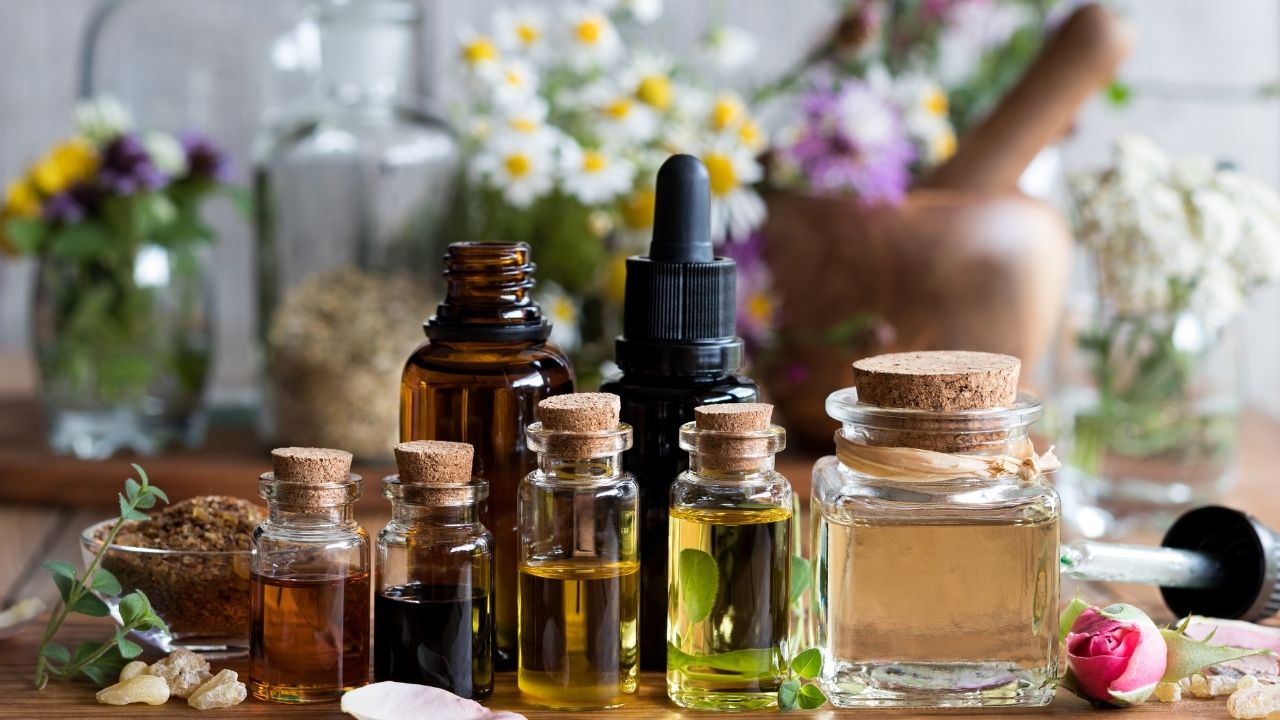
In today's fast-paced, anxiety-ridden world, our beloved pets are not immune to the stresses and pressures that come their way. This can manifest in various behaviors and physical ailments that affect their quality of life. The information in this article illuminates how pet parents can use these natural remedies to foster a calming environment for their pets and aid in their overall well-being.
Understanding Your Pet's Anxiety Through Essential Oils
Addressing anxiety in our pets begins with understanding the potent role our sense of smell plays in the functioning of our minds. Essential oils have proven to be highly efficient in managing and alleviating anxiety. How? The mechanics lie in the olfactory system. This system is responsible for the sense of smell. It is directly connected to the part of the brain known as the limbic system, the section that controls emotions and emotional responses, such as anxiety. Essential oils are aromatic vapors that can affect brain wave patterns when inhaled. They are powerful enough to evoke an answer even if their odor is undetectable to the human nose.
Pet's Superior Sense of Smell: A Pathway to Emotional Health
An essential piece of information for pet parents is that dogs and cats have a far superior sense of smell compared to humans. They possess 200 to 300 million olfactory receptors and a special organ called the Vomeronasal organ, which is missing in humans. These biological tools equip them with a more profound and direct way of perceiving the world. When triggered by an odor, the olfactory receptors send signals to the olfactory bulb in the brain, closely associated with the memory and emotional centers. This makes the olfactory system a significant catalyst in storing long-term memory and creating strong emotional connections. It's the doorway to their emotional world.
Essential Oils: A Holistic Tool for Managing Anxiety in Pets
Essential oils are volatile aromatic compounds that can be absorbed into the bloodstream when applied to the skin. Their origin ranges from different parts of plants, such as flowers, leaves, stems, roots, bark, and even fruits. Essential oils are highly concentrated, 50 to 70 times more potent than herbs. Their potent nature and the way they can influence the brain and emotions make them a powerful tool in managing anxiety in pets. The direct connection between the olfactory and limbic systems in pets' brains gives us a non-invasive method to tackle anxiety. A few drops of essential oils can help alleviate anxiety symptoms and promote calmness in our beloved pets. Remember to use them responsibly, ensuring that the oils are properly diluted and that pets can leave the room if they are uncomfortable with the scent.
Selected Essential Oils and Their Benefits
Well-known oils such as lavender and magnolia are excellent for relieving anxious feelings in our pets. Lavender, a favorite among many, is especially beneficial for pets anxious during car rides or those experiencing age-related anxiety. It induces a sense of calm, encourages peaceful sleep, and can be used in different forms - topically, diffused, or internally. For pets that may not favor the smell of lavender, magnolia is a wonderful alternative with a high compound called Linalool, responsible for its calming effect.
Roman Chamomile is a calming agent for the mind and body, releasing pent-up tension. It is particularly effective in dealing with separation anxiety, a common concern among pet parents. This gentle oil mimics the soothing qualities of chamomile tea, and it can be applied topically, used internally, or diffused. Similarly, Ylang Ylang reduces anxiety and acts as a natural antidepressant. It offers a unique blend of calming and uplifting effects, making it an ideal choice during negative life events that could trigger anxiety or depression in pets.
Spikenard oil offers extreme calmness and relaxation, relieving anxiety and promoting peace. Particularly attractive for feline friends, it is a grounding oil supporting digestive health. Bergamot, on the other hand, is known as a confidence-boosting oil. It can help ease the anxiety of timid or fear-aggressive animals by uplifting their mood and reducing stress and negative emotions. Meanwhile, Coriander aids in relaxation, stimulating appetite, and aiding in pain relief, making it an excellent option for pets under pressure or dealing with physical discomforts.
Selecting and Using Essential Oils Safely For Pets
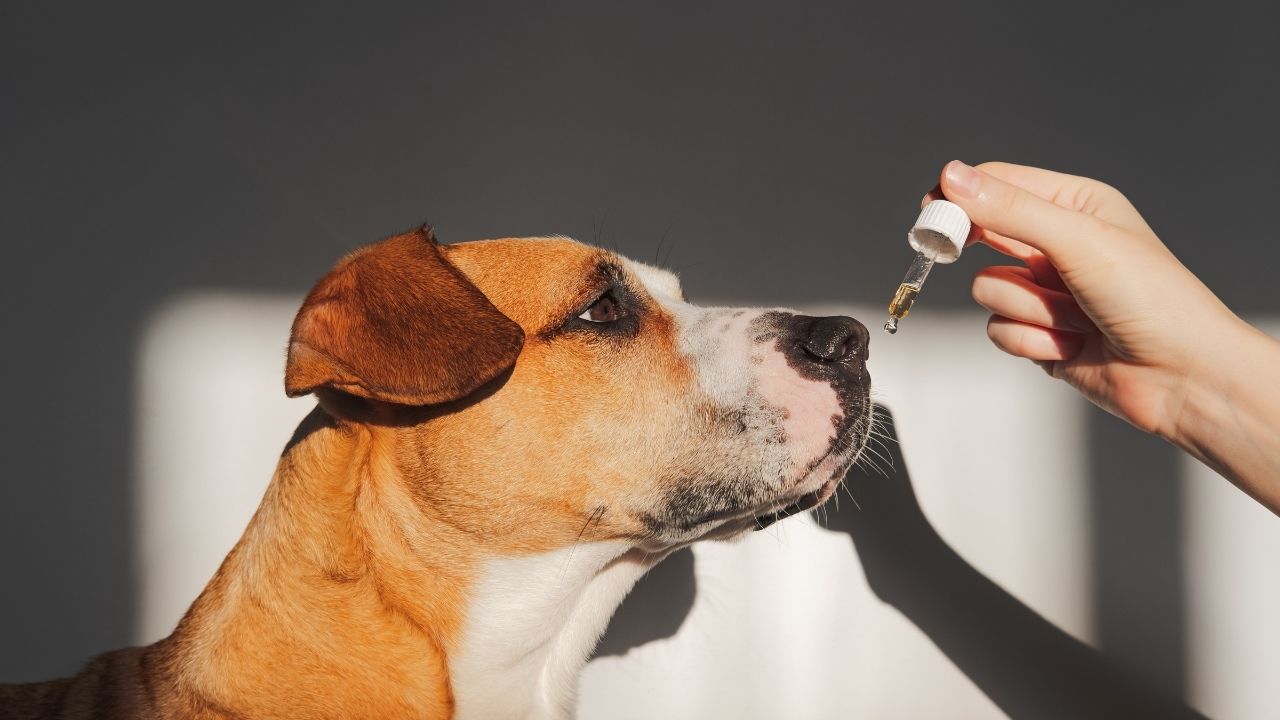
Determining which oil to use and how to apply it should always be grounded in safety. Remember to dilute oils for topical use, maintaining a 1-2% dilution rate for dogs and cats for most oils. One practical method is self-selection; let your pet choose which oil they prefer. It's also important to note that the quality of the oil matters.
Only a few brands are safe for pet use, as many essential oils in the market are adulterated and used mainly for perfumes rather than for therapeutic benefits. As pet parents, we should ensure that the essential oils we choose prioritize therapeutic benefits to effectively and safely help our pets cope with anxiety.
Key/Pro Tips for Using Essential Oils to Calm Dog Anxiety
- Always dilute essential oils before applying them to your pet's skin.
- Let your pet choose the oil they prefer through self-selection.
- Use high-quality, therapeutic-grade oils for maximum benefits.
- Consult with a trainer experienced in dealing with anxious animals.
- Gradually expose your pet to the stimulus causing anxiety while incorporating essential oils.
- Avoid oils that are potentially harmful to pets, such as tea tree and wintergreen.
Recommended Practices for Anxiety Management with Essential Oils
While essential oils can be a part of your pet's anxiety management routine, they should not replace professional help. Partnering with a trainer experienced in dealing with anxious animals can offer structured guidance. Gradually exposing your pet to the stimulus that causes anxiety and incorporating essential oils during training sessions are beneficial.
Punishing pets for their anxiety is counterproductive; pet parents should practice patience and manage their expectations. Using essential oils during training sessions can enhance the process, and an example protocol could include a few drops of Copaiba with meals, diffusing lavender before a stressful event, and applying diluted Vetiver on ear tips before bedtime. Apply cedarwood to a bandana or your pet's bedding for sustained contact.
Be cautious of artificial fragrances disrupting your pet's hormonal balance and well-being. Stick to pure, unadulterated oils and avoid those potentially harmful to pets, like tea trees and wintergreen. Essential oils can be a pet's new best friend when used responsibly.
Conclusion: A Holistic Approach to Pet Well-being
Using essential oils to calm dog anxiety is a holistic approach that can significantly improve your pet's quality of life. The Pet Summits platform is dedicated to pet owners seeking holistic solutions, offering a wealth of knowledge from over 170 experts in the field.
By incorporating essential oils into your pet's routine, you can create a more peaceful and stress-free environment for them, enhancing their overall well-being.