

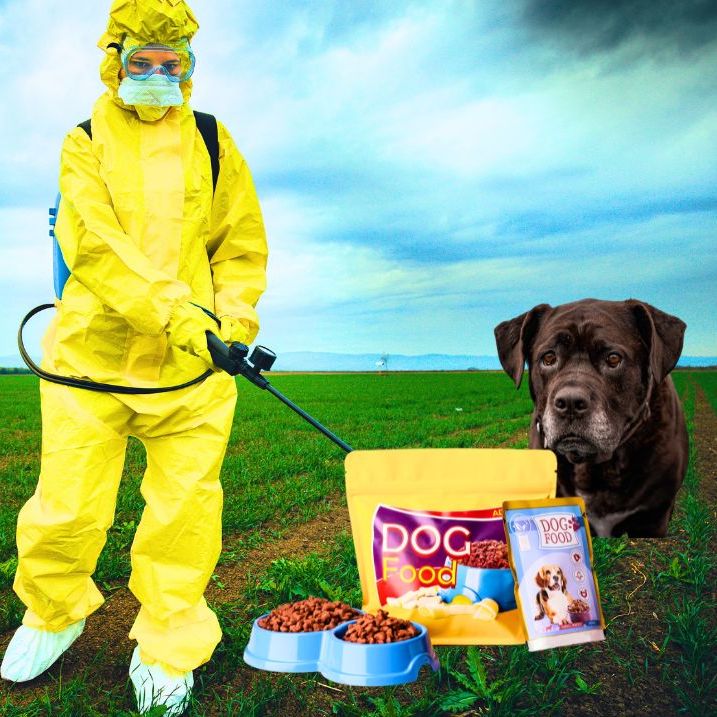
Imagine a world where our beloved pets are unknowingly exposed to harmful toxins in their food, leading to a steady decline in their overall health and well-being.
It’s a frightening thought, isn’t it? Unfortunately, this is not just a hypothetical scenario, but the harsh reality that countless pets are facing today. Our pets are paying the price for the convenience-driven food industry, which has resulted in genetically modified organisms (GMOs) and toxic chemicals making their way into pet food.
With lifespans decreasing and cancer rates on the rise, it’s time for pet owners to take a stand and demand better for their furry family members.
In this article, we will explore the dangers of GMOs, toxic chemicals, and the consequences of prioritizing convenience over the health and safety of our pets.
Together, we can arm ourselves with the knowledge to make informed decisions about our pets’ diets and protect them from the toxic threats lurking in their food.
Video Highlights:
- 🐾Pet food causing cancer and reduced lifespan in animals due to toxins and GMOs via transgenerational effects.
- 🌱 Glyphosate, an herbicide used on GM crops, has dramatic negative effects on human biology.
- 🌍Glyphosate is still in use all over the world despite its negative impact.
- 💰 Multi-million dollar cases of glyphosate causing disease highlight the concerning lack of oversight and normalization of behavior in the agriculture and food system industries.
- 🚨 Slippery slope of convenience and normalization of behavior in the agriculture and food system industries is concerning.
The Tragic Decline in Pet Health
The lifespan of pets, such as golden retrievers, has decreased dramatically in recent years. One in four dogs will develop cancer in their lifetime, and this rate is only increasing. This decline in pet health can be attributed to accelerated exposure to toxins and GMOs in their food.
The Dangerous Effects of GMOs and Chemicals
Toxins and GMOs have a transgenerational effect, meaning that they can impact not only the exposed generation but also future generations. Glyphosate, a chemical found in herbicides like Roundup, is known to have detrimental effects on human and animal health, including causing cancers and genetic mutations.
The Slippery Slope of Convenience
The pursuit of convenience in food production and agriculture has led to a dependence on toxic chemicals. This has resulted in contaminated food sources for both humans and animals. Pets are especially vulnerable, as they consume food with exponentially higher levels of toxins compared to human food.
The Alarming Rise of Toxicity in Animal Foods
There is a significant difference in regulations for human and animal food. While human food is regulated to have low levels of toxins, pet food can contain up to 400 million parts per bite. This alarming level of toxicity is poisoning our pets at a much faster rate than humans.
Conclusion
It’s crucial to be aware of the potential dangers in your pet’s food and make informed decisions about their diet. By prioritizing your pet’s health and being vigilant about the ingredients in their food, you can help protect them from the toxic threat that is all too prevalent in today’s pet food industry.