

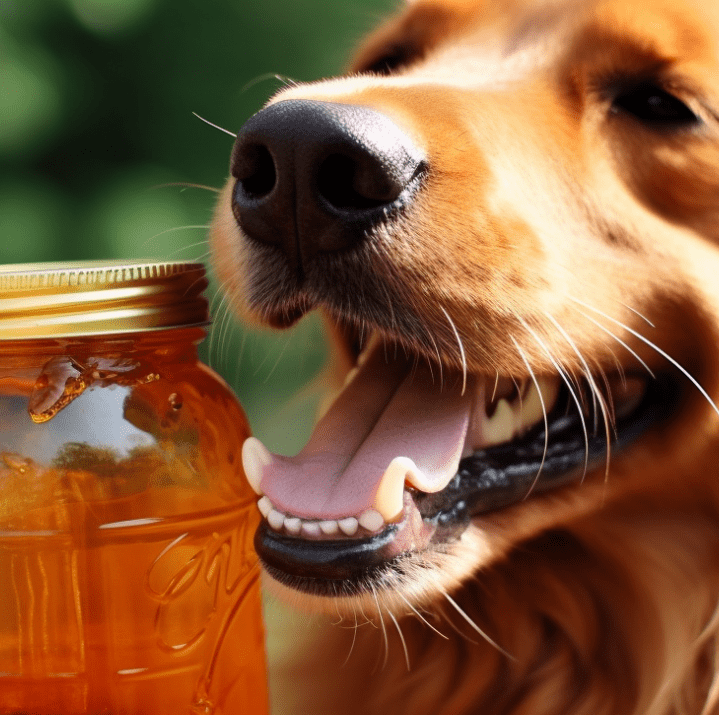
Did you know that honey can be beneficial for your dog’s health? This natural sweetener not only has a host of health benefits for humans but also offers healing properties for our furry friends. In this article, we’ll explore the advantages of using honey for your dog’s well-being, particularly when it comes to wound healing and immunity.
We’ll discuss how honey can help with wounds and infections, the extra healing properties of Manuka honey, and the immunity benefits of local raw honey for your dog. Plus, we’ll touch on how to source high-quality honey and consider honey as an alternative to antibiotics for superficial infections.
Video Highlights:
-
- Honey draws water out of bacterial cells, causing them to pop and aiding in the healing process. 🐝
-
- Manuka honey is especially useful for wound healing and the elimination of skin infections. 🌿
-
- Raw, unpasteurized local honey may provide immunity benefits for dogs with allergies. 🍀
-
- Local apiaries or beekeeper associations can provide a good source of raw honey. 🍯
-
- Using honey for superficial infections can be a great alternative to antibiotics. 💊
-
- Fish allergies are uncommon in dogs, making it a good protein source, but consider it as the cause of persistent vomiting and diarrhea or constant scratching. 🐟
Honey’s Healing Properties for Wounds and Infections
Honey has been used for centuries as a natural remedy for various ailments, including wounds and infections. Its unique composition, which includes enzymes, antioxidants, and antibacterial properties, allows it to draw water out of bacterial cells. This process causes the bacterial cells to burst, effectively aiding in the healing process.
Additionally, honey’s thick consistency creates a barrier that can protect wounds from further contamination. This natural barrier reduces the risk of infection, while its soothing properties can help alleviate pain and discomfort. Remember to consult your veterinarian before applying honey to your dog’s wounds or infections, as not all cases may be suitable for this treatment.
The Power of Manuka Honey
Manuka honey, derived from the nectar of the Manuka bush native to New Zealand, possesses even more potent healing properties than regular honey. It contains a higher concentration of antibacterial compounds, which can be especially useful for treating wound healing and eliminating skin infections in dogs.
When using Manuka honey for your dog’s wounds, be sure to purchase a high-quality, medical-grade product, as not all Manuka honey is created equal. As always, consult your veterinarian for guidance on using Manuka honey for your pet’s specific needs, and follow their recommendations to ensure the best results.
Local Raw Honey for Immunity Benefits
Local raw honey, which is unpasteurized and unprocessed, may provide immunity benefits for dogs suffering from allergies. The honey contains trace amounts of pollen and other allergens from the local environment, and when ingested, it can help your dog develop a natural tolerance to these allergens.
To achieve these immunity benefits, it’s essential to source raw honey from a local beekeeper or apiary, as it should contain allergens specific to your area. Feeding your dog a small amount of local raw honey daily may help reduce their allergy symptoms over time. Be sure to consult your veterinarian before introducing honey into your dog’s diet, particularly if they have any pre-existing health conditions.
Finding High-Quality Honey
Sourcing high-quality honey is crucial for reaping its full benefits for your dog. Local apiaries and beekeeper associations can be excellent sources of raw, unpasteurized honey. When purchasing honey, look for products that are free of additives, preservatives, and artificial sweeteners.
It’s also essential to ensure that the honey you purchase is not heat-treated, as this can destroy the beneficial enzymes and nutrients. Look for honey labeled as “raw” or “unpasteurized” to ensure you provide your dog with the best possible product.
Honey as an Alternative to Antibiotics
In some cases, using honey for superficial infections can be a great alternative to antibiotics. Honey’s natural antibacterial properties can help combat infection without the risk of antibiotic resistance. However, it’s essential to consult your veterinarian before using honey as an alternative treatment, as each dog’s situation is unique and may require a different approach.
Conclusion
In this article, we’ve explored the various benefits of honey for your dog’s health, including its healing properties for wounds and infections, the extra healing power of Manuka honey, and the immunity benefits of local raw honey. We also discussed how to source high-quality honey and the potential of honey as an alternative to antibiotics for superficial infections.
We hope you now feel empowered, confident, and knowledgeable about the potential benefits of honey for your dog’s health. Remember to consult your veterinarian before introducing honey into your dog’s diet or using it as a treatment for wounds or infections. And don’t forget to sign up for our free events to stay informed on the latest pet health tips and advice.
Your dog’s health and well-being rely on the ongoing care and attention you provide. By considering natural remedies like honey and working closely with your veterinarian, you can help ensure your furry friend enjoys a happy, healthy life. Keep exploring new ways to support your dog’s health and make informed decisions for their care.