

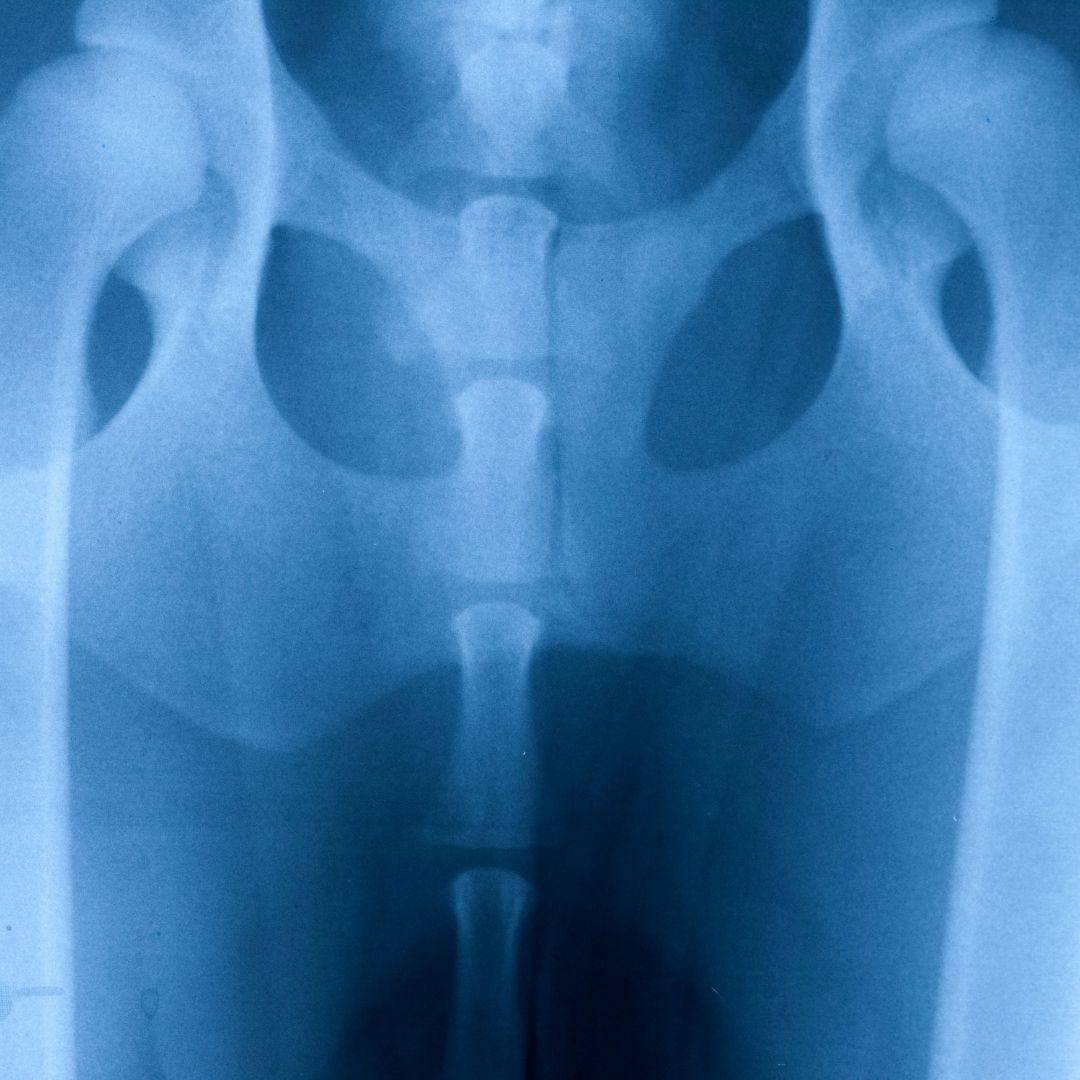
Is your dog struggling to jump on the bed, get in and out of the car or generally go about their day?
Joint issues can affect dogs of all breeds and ages, although it’s more common in middle-aged and senior dogs due to the natural aging process which sees joint cartilage (the cushioning between bones) start to break down.
Certain large breeds like the Newfoundland, Saint Bernard, Old English Sheepdog, Rottweiler, German Shepherd, Golden Retriever, Labrador Retriever, and Samoyed are also predisposed to joint issues like arthritis and hip dysplasia (malformation of the hip joint).
While older dogs and certain breeds are more susceptible to joint issues, including arthritis, the condition can affect any dog – so it’s never too early or too late to start thinking about your furry friend’s joint health. The right diet (one that reduces inflammation) combined with a healthy lifestyle will strengthen your dog’s joints and help them live a comfortable and happy life. Let’s explore joint issues in dogs, and how diet and lifestyle can help, below.
SIGNS OF JOINT PAIN IN DOGS
Joint pain, if not addressed, can lead to arthritis. Arthritis is a degenerative condition, meaning it slowly gets worse over time. Early warning signs might include:
- Limping – is your dog favoring one or more legs?
- Difficulty moving – are they struggling to run, walk, play or get comfortable?
- Fatigue – are they sleeping more than they used to?
- Irritability – are they snappy, depressed or simply not themselves?
- Licking or biting – are they obsessively licking or biting patches of skin?
The tricky thing with arthritis and other joint issues is many of the signs above can also indicate other health problems. Because it’s a degenerative condition, it’s important to monitor your dog’s symptoms and take them to the vet for regular checkups.
EXERCISE AND LIFESTYLE TIPS
They may not be able to run and jump like they once could, but daily exercise is still very important for dogs with arthritis. Even low-impact movements will help to maintain muscle tone, which slows musculoskeletal weakness and prevents weight gain (and the associated pain of excess weight on joints).
Here are some tips to keep in mind when exercising and relaxing with your canine companion:
- Try short, regular, gentle walks on a leash or harness. Avoid long walks on asphalt or hard surfaces.
- Stick to smooth, even surfaces (like grass fields) rather than uneven terrain, which will make it harder for your dog to remain stable.
- Swimming reduces pressure on joints, so it’s a great exercise option. Look up dog-friendly pools or lakes in your area.
- If your dog is prone to getting excited by other dogs, keep them on a leash. Excitement can temporarily numb pain, but if your dog has a vigorous play session with a friend they’ll likely feel very sore later!
- Make your dog comfortable at home by ensuring they have a well-padded bed in a warm, dry location.
- To stop your dog jumping or slipping over, try to minimize slippery surfaces and provide ramps where necessary.
SUPPORT YOUR DOG’S JOINTS THROUGH DIET
Processed commercial kibbles often contain carbohydrates such as wheat, rice, soy, and potatoes, which can cause your dog’s blood sugar levels to fluctuate and increase painful swelling. Dogs struggle to digest carbohydrates, which puts unneeded stress on the digestive system and produces an inflammatory response, which can result in joint issues like arthritis.
Want to reduce your pet’s pain and support their joints? Opt for an anti-inflammatory, high-meat, biologically appropriate diet instead!
A raw diet, or raw alternative diet like ZIWI Peak, is a great place to start. These diets are highly digestible, which means your dog’s internal system can process them easily without the risk of causing an inflammatory response (like what can happen when they eat kibble).
All ZIWI Peak recipes include the below anti-inflammatory nutrients which are crucial for supporting joint health:
- Glucosamine and chondroitin can help alleviate pain associated with arthritis. These nutrients are abundant in New Zealand Green Mussels – the only species of mussel to contain a bioactive protein that acts as anti-inflammatory and helps repair muscle and increase joint function.
- Omega-3 fatty acids (particularly EPA and DHA) are also found in these mussels and are widely recognized to provide anti-inflammatory properties.
- Calcium and phosphorus support healthy bone and joint development. Because our whole-prey recipes reflect the raw diet, we include bone in all ZIWI Peak recipes as a source of calcium and phosphorus.
Small adjustments to your furry friend’s diet, exercise regime, and home life can make a big difference when it comes to managing arthritis. If your dog is in chronic pain, your vet will be able to provide recommendations for living a more comfortable life.
*This article was written and submitted by Andrew Tippin of Ziwi Pets