


Have you ever encountered a situation where your pet is having discomfort in their ears?
Ear infections can be a common but troublesome problem for cats and dogs, and the good news is that there are natural home remedies for dog ear infections that you can explore to address this issue.
You can learn more about natural remedies for treating ear pain in dogs and cats by identifying symptoms of potential causes of ear infections and utilizing herbal medicine, supplementation, and nutritional advice to support your pet's overall well-being.
Natural Approaches to Relieve Your Pet's Ear Infections
Ear infections can be a common problem for dogs and cats, and symptoms include redness in the ear, odor, excessive scratching, and discharge. In addition to regular cleaning, examining the ear canal, and conducting cytology, holistic approaches incorporating natural remedies such as herbs can help treat ear infections.
Diagnostic testing may also be necessary to determine the underlying cause of the infection, which can include environmental allergies, ear mites, food sensitivities, or trauma. Understanding these potential causes and implementing holistic, natural remedies can support pets' overall health and wellness in the long term.
Recognizing the Symptoms of Ear Infection in Pets
Redness in the ear:
A red, inflamed ear is a common symptom of an ear infection. The redness may be accompanied by swelling, which can cause discomfort for the pet.
Odor:
If you notice a bad odor emanating from your pet's ear, it could indicate an infection.
Excessive Scratching:
One of the most telltale signs of an ear infection is excessive scratching of the ears. If your pet is constantly scratching or rubbing their ears, they may be experiencing discomfort or itchiness caused by an infection.
Discharge:
Ear infections can cause a discharge to accumulate in the ear canal. This can be a thick, pus-like substance or a thin, watery fluid. In some cases, the discharge may be accompanied by blood.
If you notice any of these symptoms in your pet, you must take them to the vet for further evaluation and treatment. Treating ear infections promptly is essential, as they can lead to more serious health problems if left untreated.
Potential Causes of Ear Infections in Pets
Some potential causes of ear infections in pets include environmental and food-related allergies, ear mites, and trauma. If you notice symptoms such as redness in the ear, odor, excessive scratching, or discharge, it's essential to seek veterinary care to identify the underlying cause and appropriate treatment.
Regular cleaning of the ear canals can also help prevent infections. Diagnostic testing, examining the ear canal, and conducting cytology, can help identify the cause and guide treatment. You should also consider natural remedies, such as herbs, to support their pet's healing and overall wellness.
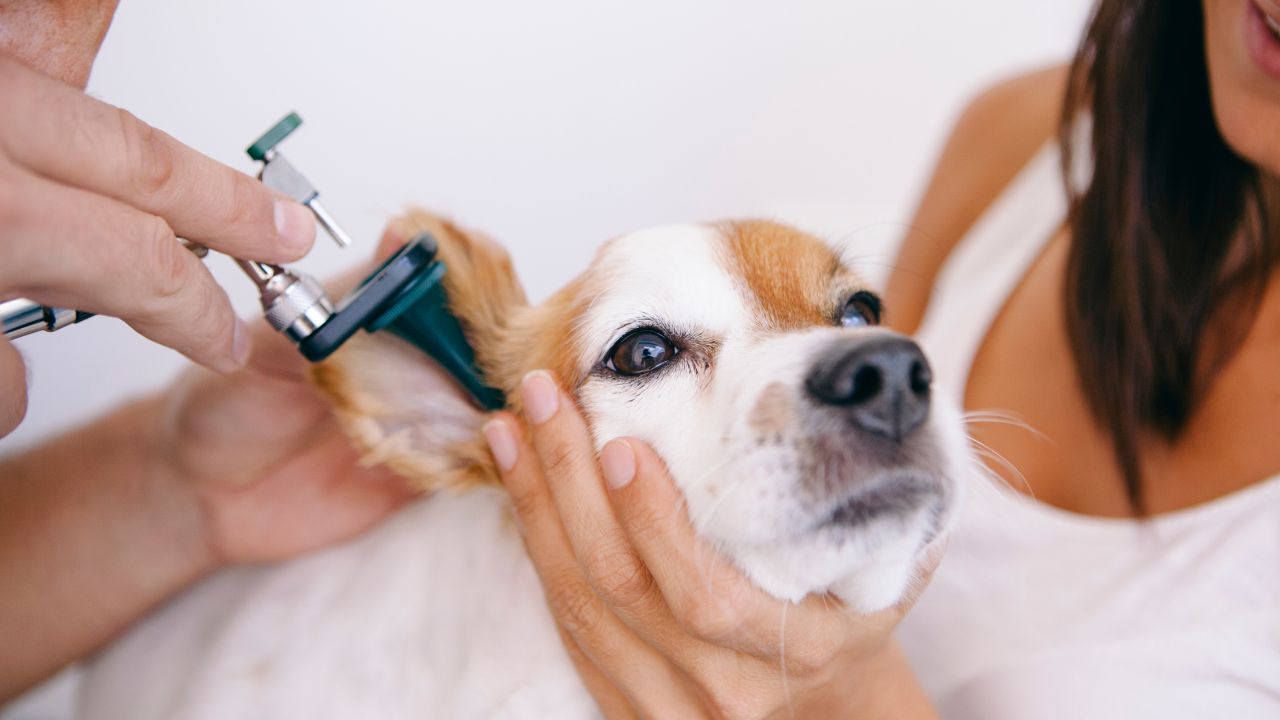
The Importance of Cytology in Diagnosing Ear Infections
Cytology is a test that involves examining ear discharge or debris under a microscope to determine what kind of microorganisms or cells may be present. This can help veterinarians determine the best treatment for the ear infection.
By conducting cytology, veterinarians can accurately diagnose the problem and provide the most effective treatment. While it may be tempting to try and handle things independently, it's best to consult with a veterinarian when our pets are experiencing health issues.
So, if you suspect your pet may have an ear infection, seek advice from a qualified professional and they can help you get to the bottom of the problem and keep your pet healthy and happy.
Herbal Medicine: A Natural Home Remedy for Dog Ear Infection
If your pet is experiencing an ear infection, you can use several natural remedies to help ease their discomfort. One effective option is the use of herbal medicine.
Some herbs have antimicrobial and anti-inflammatory properties that can help soothe the ear canal and reduce inflammation. For example, Calendula has been used for centuries to treat wounds and infections, and Chamomile has anti-inflammatory properties that can help reduce swelling and pain. Echinacea and Goldenseal are other powerful herbs that can help boost your pet's immune system and fight infections.
It's important to note that while herbal remedies can be helpful, it's still important to consult with a veterinarian to determine the underlying cause of your pet's ear infection and ensure that any herbal remedies you use are safe and effective for your pet's specific needs.
Elimination Food Trial: Identifying Allergens That Cause Ear Infections
An Elimination Food Trial is a diagnostic technique that assesses the role of food allergies or hypersensitivity in a pet's ear infection.
This method involves feeding the pet a novel diet composed of a single protein and carbohydrate source that the pet has never had before. Following this new feeding regimen for eight to twelve weeks, all other potential ear infection causes can be ruled out.
If the ear infection clears up during the trial, the previous diet contained an allergen that triggered the inflammation in the ear canal. This information can create a customized diet plan free from the offending allergen, which will help the pet avoid future ear infections and other allergic reactions. However, it is essential to note that pet owners should always seek the advice of a qualified veterinarian to conduct this type of test, as other health conditions or environmental factors may still play a role in the pet's overall health.
Pro Tips: Actionable Advice for Treating Ear Infections at Home
If you suspect your pet has an ear infection, it's essential to consult a veterinarian for an accurate diagnosis and treatment plan. However, there are some home remedies and preventative measures you can take to support your pet's ear health. Here are some expert tips:
Regular Cleaning: Make it a habit to clean your pet's ears once a week. Use a gentle, vet-approved ear cleaner. Squirt a small amount into the ear and then massage the base of the ear to distribute the cleaner. Wipe away any excess with a cotton ball.
Check for Signs: Always be on the lookout for symptoms like head shaking, scratching at the ears, or any unusual odors. These could be signs of an ear infection.
Apple Cider Vinegar: For mild ear infections, a solution of half apple cider vinegar and half water can be used to clean the ear. However, this should not be used if the ear is red or has open wounds.
Coconut Oil: Known for its antifungal and antibacterial properties, a few drops of warm coconut oil can help soothe irritation and tackle minor infections. Again, consult your vet before trying this.
Diet Matters: Food allergies can often manifest as ear infections. Make sure your pet is on a balanced diet, and consider an elimination diet to rule out any food-related issues.
Avoid Moisture: After baths or swimming, make sure to dry your pet's ears thoroughly. Moist environments are breeding grounds for bacteria.
Herbal Drops: Some natural herbs like mullein and garlic have antibacterial properties. Herbal ear drops are available that can be used as a preventative measure. Always consult your vet before using any new treatment.
Use of Probiotics: Sometimes, an imbalance in gut flora can lead to recurring ear infections. Consult your vet about incorporating probiotics into your pet's diet.
Ear Mite Check: Regularly check for ear mites, especially if your pet is frequently outdoors. Ear mites can lead to bacterial infections.
Consult Before OTC Medication: Over-the-counter ear treatments are available, but it's crucial to consult your vet for the correct diagnosis and treatment plan tailored to your pet's specific needs.
Conclusion: Holistic Solutions for Your Pet's Ear Health
As pet owners, adopting a proactive approach is vital to ensure our pet's long-term health. Paying attention to your pet's behavior and addressing potential issues early can prevent severe health complications. More importantly, working with a holistic veterinarian to determine the cause and the right course of treatment for any infection will ensure that your pet receives the best care possible.
In conclusion, ear infections can be a painful and irritating experience for your pet. However, it's possible to help your pet feel better soon with proper care and attention. If you suspect that your pet has an ear infection, it's best to seek the advice of a licensed and experienced veterinarian to treat your pet's condition and make sure they remain healthy and happy. The Pet Summits platform is dedicated to pet owners seeking holistic solutions for their pets' well-being.