

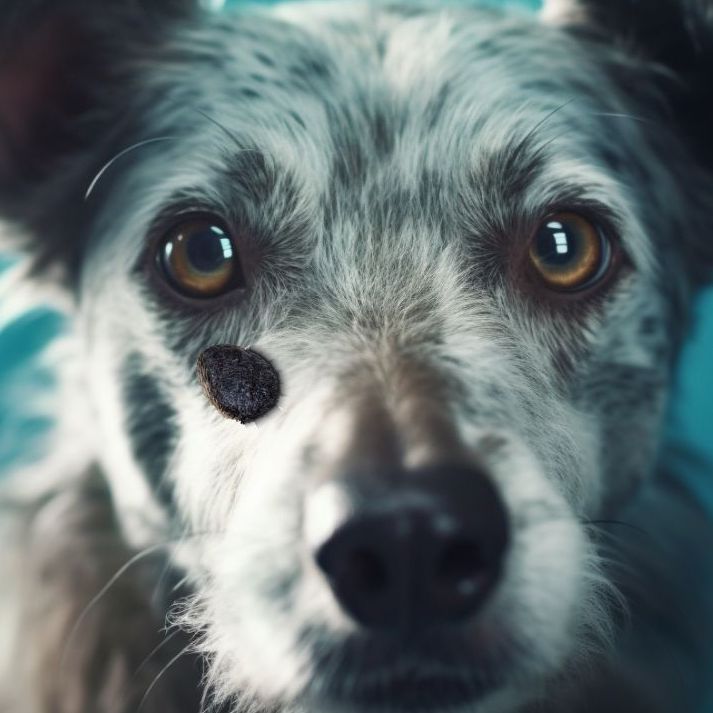
As a dog owner, discovering a lump on your beloved pet can be a concerning experience. This worry is only heightened when your dog is a senior, as their age and overall health may make treatment decisions more complex. In this blog post, we’ll explore some critical factors to consider when deciding how to approach treating lumps in senior dogs.
We’ll discuss the importance of evaluating the risks and benefits of surgery, alternative treatment options such as Neoplasene, and how to assess the lump’s characteristics to make the best decision for your pet. By understanding the available options and working closely with your veterinarian, you can make informed choices that prioritize your dog’s well-being and quality of life.
Video Highlights:
- 🤔 Consider factors like the dog’s age, size of the mass, and how quickly it’s growing before deciding on surgery.
- 🌼 Neoplasene, made from bloodroot, has a propensity for rapidly proliferating cells and can be used topically, orally, or as an injectable to treat certain lumps.
- 🩺 Surgery risks for senior dogs include anesthesia, blood tests, drugs, and the stress of the procedure.
- 🌱 Visit buckmountainbotanicals.net to learn more about Neoplasene and its uses.
- 💉 If a lump has an opening, Neoplasene can be applied topically, while injectable Neoplasene can be used for closed lumps.
Evaluating Surgery Risks and Benefits for Senior Dogs
When considering surgery for senior dogs, it’s essential to weigh the risks and benefits carefully. Factors such as the dog’s age, overall health, and the size and location of the lump play a crucial role in this decision-making process.
Older dogs may have a harder time recovering from surgery and anesthesia, and undergoing surgery can significantly impact their quality of life. It’s essential to have an open and honest conversation with your veterinarian about the risks and benefits of surgery, taking into account your dog’s individual circumstances and the nature of the lump. Be sure to explore all available treatment options before making a decision.
Assessing Lump Characteristics and Potential Treatment Options
Before deciding on a treatment plan for your dog, it’s vital to assess the characteristics of the lump, including its size, growth rate, and location. Some lumps may be slow-growing and not pose an immediate threat, while others could be aggressive and require immediate intervention. Understanding the nature of the lump and its potential impact on your dog’s health will help you make an informed decision about the best course of action.
Discuss the findings with your veterinarian and consider all available treatment options, including surgery, alternative therapies, and watchful waiting. Your dog’s age, overall health, and the lump’s characteristics should all be taken into account when making this important decision.
Alternative Approaches to Treat Lumps in Dogs
In some cases, alternative treatments may be more suitable for addressing lumps in dogs, particularly if the dog is elderly or has other health concerns. One such alternative is Neoplasene, a product derived from the bloodroot plant.
Neoplasene has been used to treat various types of lumps, including oral growths and surface lumps. It is available in oral, topical, and injectable forms and works by targeting proliferating cells rapidly. While it can be a less invasive option than surgery, discussing this treatment method with your veterinarian to determine if it’s appropriate for your dog’s specific situation is essential.
Conclusion:
Addressing lumps in senior dogs requires careful consideration of various factors to make the best decision for your pet’s health and well-being. By evaluating the risks and benefits of surgery, exploring alternative treatments like Neoplasene, and assessing the lump’s characteristics, you can make an informed choice that prioritizes your dog’s quality of life. Remember to consult with your veterinarian, who can provide valuable guidance and expertise tailored to your dog’s unique situation.
Ultimately, as a pet owner, your primary goal is to ensure that your senior dog remains comfortable, happy, and healthy, and taking the time to understand your options is a crucial step in achieving this objective. With careful planning and open communication with your veterinarian, you can make the best choices for your dog’s well-being and give them the best possible quality of life during their golden years.