


Have you ever experienced the discomfort of wearing shoes that are too tight? Or perhaps a belt that’s one notch too snug? It can be quite uncomfortable, right? Well, just like us humans, our senior dogs also crave comfort. However, they cannot express their discomfort when we choose a senior pet dog harness that doesn’t fit them properly.
Now picture this: Your dog finally slipping into a well-fitted harness – no pinched nerves or awkward movements! They can walk comfortably and freely with every step. That’s what we’re aiming for here! Let’s explore why finding the perfect mobility harness is more important than you might think – it not only ensures your pet’s health and posture but also impacts their mobility and respiratory functions.
Understanding the Importance of a Properly Fitted Senior Pet Dog Harness
As an experienced vet, I cannot emphasize enough the necessity of obtaining a suitable senior pet dog harness for your aging canine. An ill-fitting one not only causes discomfort but also leads to health issues.
The Consequences of an Ill-Fitting Harness
A poorly fitted harness may seem like a minor inconvenience at first, but its effects on your pet’s health are far from insignificant. Imagine wearing shoes that don’t fit; they pinch and cause blisters over time. The same thing happens when dogs wear tight harnesses—it pinches their skin and muscles leading to pain similar to nerve entrapment or muscle spasms.
Poor-fitting support harness doesn’t stop there; It leaves visible grooves and marks on your pet’s skin causing more discomfort as well as affecting posture in long-term use. Studies show that prolonged usage can lead to chronic physical ailments in our beloved pets.
The Connection Between Harness Fit and Posture
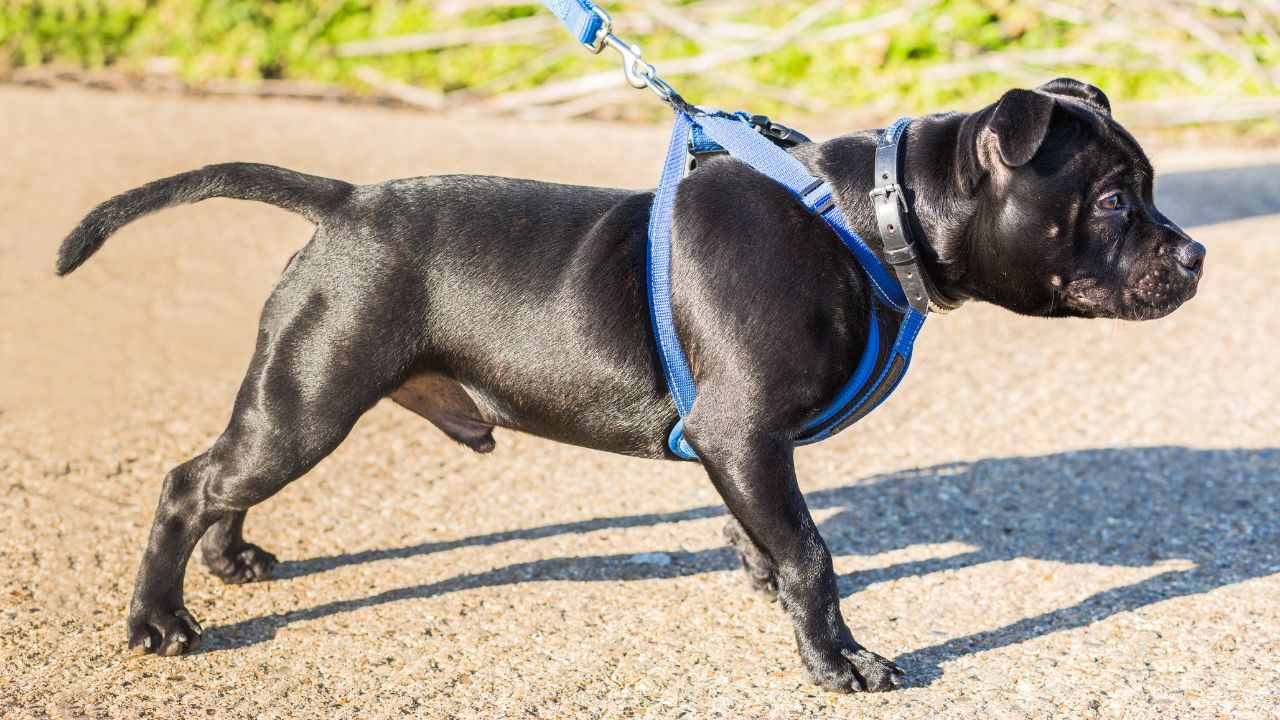
A good quality, well-fitted mobility harness helps maintain proper posture for your canine companion—essential especially if they’re getting older. Incorrect postures due to poor fitting equipment could eventually alter joint alignment leading to musculoskeletal disorders.
Bear this analogy in mind: You wouldn’t run with heavy boots would you? They weigh you down making movement difficult—the same goes for bulky or improperly fastened gear which restricts natural movements creating strain over time. Your dog deserves better.
How a Harness Can Affect Your Dog’s Mobility
If your senior dog’s harness is too tight or bulky, it could be hindering their movement and altering their gait pattern. But why does this happen? Let me explain.
The Impact on Four-Leg Motion
A dog’s natural movement depends on the free flow of energy through its body. Certain harness designs can interfere with this motion, especially those that extend across the shoulder. They impede proper four-leg motion and can alter your pet’s gait pattern – think of it like trying to walk while wearing an oversized backpack. This alteration in movement not only affects mobility but also leads to strain over time.
In my experience as a vet, I’ve seen many cases where poorly fitted mobility harnesses led dogs to develop irregular walking patterns due to discomfort or restriction from the harness design itself. To ensure you don’t make these common mistakes when choosing a dog harness, consider one designed for ease of motion without compromising control.
The Strain on Your Dog’s Energy Levels
Have you ever noticed how some clothes seem harder to move in than others? The same goes for our pets’ gear. An ill-fitting doggy wardrobe piece such as a poorly fitting harness can increase the effort needed for simple tasks like walking or running, leading inevitably to fatigue faster than usual. It’s akin to us climbing stairs with heavy weights tied around our waist.
This additional exertion may seem minor initially but accumulates over time into substantial energy loss which might affect other aspects of your pet’s health and happiness too. So next time you’re shopping online or at your local pet store, give some thought to the fit and design of a dog support harness. Your dog’s energy levels will thank you.
Don’t forget, it’s not just about finding something that looks adorable or fits perfectly. The goal goes beyond surface appearances and comfort.
Choose a dog harness that fits well and allows natural movement to prevent gait changes, discomfort, or strain. A poorly fitting harness can tire your senior pet faster by making simple tasks like walking more strenuous. It’s not just about aesthetics – the right design boosts mobility and conserves energy.
The Respiratory Implications of a Poorly Fitted Harness
As a veterinarian specializing in holistic pet care, I’ve seen how an ill-fitting harness can hinder thoracic expansion. This is critical because your dog’s chest needs to expand freely for optimal oxygenation and cardiovascular function.
The Importance of Thoracic Expansion
A well-fitted harness lets your dog breathe easily by allowing the ribcage to fully expand. It helps in enhancing their endurance while they’re out exploring or simply enjoying their daily walk around the neighborhood.
An overly tight or poorly designed harness can limit this necessary thoracic expansion. When you think about it, imagine trying to take deep breaths with something squeezing tightly against your chest – uncomfortable right? That’s exactly what our pets might feel too.
Studies have shown that when dogs’ natural breathing patterns are disrupted due to restricted thoracic expansion, it affects not just their diaphragm but also their overall cardiopulmonary function – leading them to gasp for air more than they should need.
Senior Pet Dog Harness Design and Fit Matter
Every breed has unique physical attributes that need specific considerations when selecting a harness design. The same principle applies even more so with senior dogs who may already have underlying health conditions making them susceptible to respiratory distress.
I often advise my clients and the audience at Pet Summits, “It’s not just about getting any old harness off the shelf”. Instead, look for ones specifically designed keeping in mind adequate room for chest movement ensuring free flow of oxygen to the lungs and heart.
Choosing a harness that does not restrict thoracic expansion can significantly enhance your dog’s endurance levels. After all, better oxygenation means more energy for them to play fetch or chase their favorite ball.
The Potential Health Impact
It’s essential to have your pup examined by a vet in order to assess the potential health effects of these issues. Also, make sure the harness fits well. If you’re not certain how to adjust it properly, ask for some professional help or check online guides. Our pets count on us to ensure their well-being and contentment.
A well-fitted harness is crucial for your dog’s respiratory health, allowing free chest expansion for optimal oxygenation. Ill-fitting or poor designs can restrict breathing and impact cardiovascular function. This is particularly vital in senior dogs with potential underlying conditions. Choose a design mindful of adequate chest movement, enhancing endurance levels by ensuring better oxygen flow.
The Connection Between Harness Fit and Body Mechanics
Choosing the right dog harnesses for your senior dog is more than just about comfort. It’s a decision that can significantly impact their body mechanics, overall health, and quality of life.
The Impact on Organ Health
An ill-fitting harness can have far-reaching effects beyond what you might initially think. When we consider organ health, it becomes evident how a poorly fitted harness could be problematic.
A restrictive or tight-fitting harness doesn’t only cause discomfort; it also applies pressure to vital organs in the chest area. This unnecessary strain could potentially lead to organ disorders over time. Therefore, finding an appropriate fit isn’t merely a matter of preventing physical discomfort—it’s crucial for safeguarding your pet’s internal well-being too.
Postural Deviations and Balance Problems
Beyond impacting internal organs, an improperly fitted dog harness can affect posture as well as balance—two elements key to canine mobility especially among seniors who may already grapple with age-related issues like arthritis or hip dysplasia.
If the girth strap on the harness is too tight or positioned incorrectly—for instance across instead of behind your dog’s shoulders—it will restrict movement leading to altered walking patterns (or gait). In turn, this puts stress on different muscles than those naturally engaged during locomotion causing muscle fatigue & postural deviations.
Making sure that every aspect from strap placement & adjustment points to harness size & design is well suited for your pet’s body type and condition will ensure that they can move around comfortably without hindering their posture or balance.
The Importance of Senior Pet Dog Harness Rear Support
Rear support in a dog harness provides essential aid for older pets who have difficulty standing up, climbing stairs, or walking due to age-related ailments. These specialized mobility harnesses are designed with padded straps and handles placed strategically around the hindquarters of your pet – providing them with much-needed balance and stability during movement.
Choosing the right harness for your senior dog isn’t just about comfort, it significantly affects their body mechanics and overall health. A poorly fitted harness can strain vital organs and alter posture, impacting balance—critical aspects of canine mobility. So, picking a well-suited harness size & design helps them move comfortably without compromising their posture or organ health.
Chronic Strain and Sprain from Poorly Fitted Dog Harnesses
If you think that harness size is a trivial matter, let me share with you some insights. Ill-fitting harnesses can lead to chronic strain or sprain in your pet dog. This doesn’t just cause temporary discomfort but can result in long-term tissue damage, persistent pain, and even physical deformity.
The Unseen Impact of Chronic Strains
Just as an ill-fitted shoe pinches our feet and causes us pain over time, the same happens when your senior pet wears a poorly fitted harness daily. The continuous rubbing against their skin could lead to chronic strains or sprains.
This isn’t something that’s visible right away; it’s more like a hidden wound that grows over time until one day your lively companion seems unusually sluggish or whines when moving around.
Tissue Insult: More Than Just Skin Deep
“Tissue insult” might sound overly scientific but think of it this way – imagine wearing a tight ring on your finger for months at end. Over time the constant pressure will not only leave marks on your skin but also affect underlying tissues causing swelling and soreness.
A similar thing happens to dogs with poorly fitting harnesses except that instead of fingers they have their whole torso under duress.
Persistent Pain: A Silent Sufferer
Your dog may not be able to tell you about his distress verbally, yet there are signs if we pay close attention. Does he flinch when touched near the area where his harness sits? Is he showing reluctance during walks? These are all potential signals indicating prolonged pain due to an improperly fitted accessory. PetMD offers more detailed signs of pain in dogs that can help you detect discomfort.
The Danger of Physical Deformity
If the strain and tissue insult weren’t alarming enough, here’s another wake-up call. A harness pressing against your pet’s body continuously could lead to physical deformities over time – think abnormal growths or changes in posture.
Just as we struggle with tight shoes or rings, a poorly fitted harness can stress your pet’s whole body. Look for signs of discomfort like flinching or avoiding walks.
Conclusion
It’s clear now, isn’t it? The right senior pet dog harness can change your pet’s life. It guarantees comfort, promotes healthy posture, and preserves their energy.
The dangers of a poorly fitted harness aren’t worth the risk. We’re talking about pinched nerves and awkward gait patterns that could lead to chronic strain or sprain.
A well-fitted harness is more than just an accessory; it’s key to ensuring good health for our old pals. And remember – a proper fit allows for thoracic expansion crucial in maintaining respiratory functions.
In conclusion: Comfortable dogs are happy dogs! So let’s give them the gift of comfort they deserve with the perfect fitting senior pet dog harness!
Frequently Asked Questions
As a holistic pet care provider, I often receive queries about senior dog harnesses. Many pet owners are concerned about the comfort and safety of their aging pets. Here, I will answer two frequently asked questions regarding this topic.
1. What should I consider when choosing a harness for my senior dog?
Selecting an appropriate harness is crucial to ensure your older dog’s well-being. Consider factors such as size, fit, material quality, ease of use, and support features.
- Size and Fit: Measure your dog accurately before purchasing a harness. An ill-fitting one can cause discomfort or even injury.
- Material Quality: The fabric should be durable yet soft to prevent chafing on your pet’s skin.
- Ease of Use: A good design allows easy wearing and removal without causing distress to the animal.
- Support Features: In elderly dogs with mobility issues due to arthritis or other conditions, look for designs that offer extra support like lift handles or front-clip options. (source)
2. How does using a harness benefit my senior dog?
Aging dogs often suffer from joint pain or weakened muscles which can make walking difficult for them. A suitable senior pet dog harness eases these challenges in several ways:
- Better Control & Safety: Harnesses provide better control over your pet’s movements, reducing the risk of injury from sudden pulls or jerks.
- Reduces Pressure: Unlike collars that can strain the neck, a harness distributes pressure evenly across the chest and back, minimizing discomfort.
- Mobility Assistance: Harnesses with handles can help you lift your dog when needed – for instance during stair-climbing or getting into vehicles. This aids dogs suffering from arthritis or hip dysplasia.
3. What is a Dog Support Sling or Lifting Harness?
A dog support sling is essentially a strap or cloth material designed to wrap around your dog’s body and provide extra assistance when they need help standing or moving around. It may be referred to as a lifting harness. This can be particularly useful for older dogs suffering from arthritis, hip dysplasia, or recovering from surgery.
If you have more questions about senior pet care, I have a number of courses on the Pet Summits platform. Remember: our goal is to ensure that our beloved pets age gracefully and comfortably!