

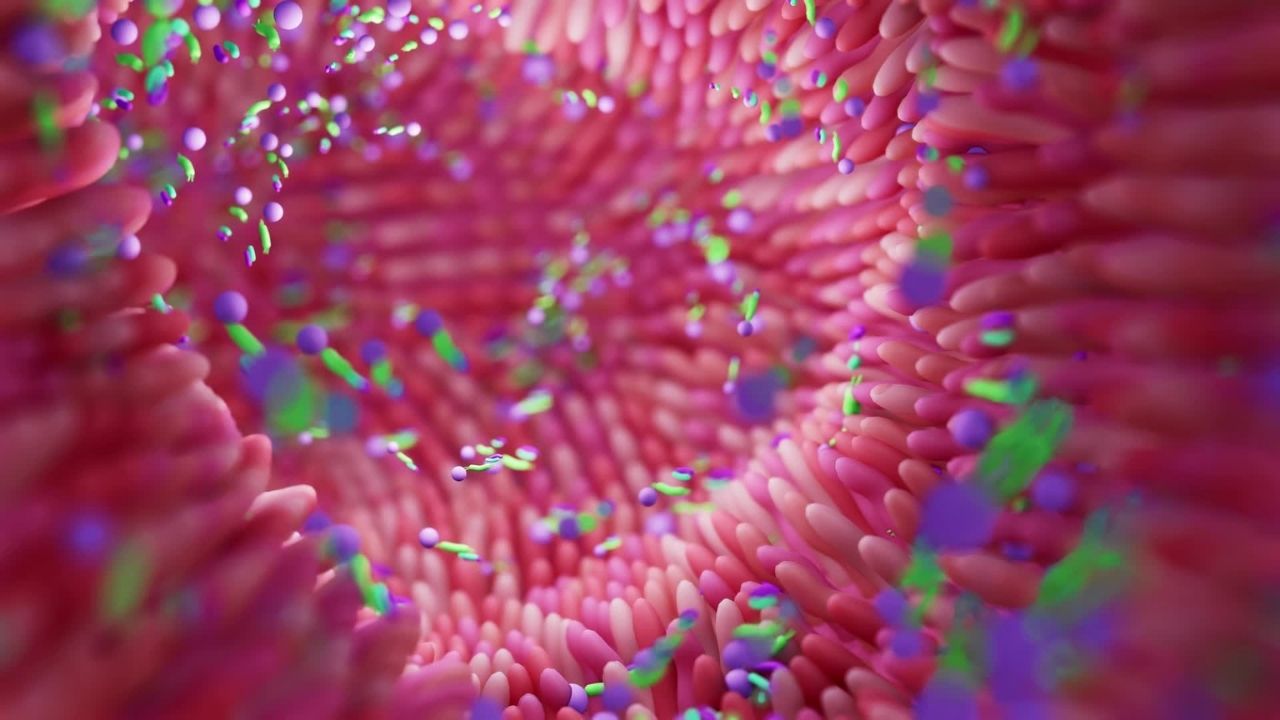
Is your dog's anxiety actually linked to their gut health? This article dives deep into the intricate relationship between your pet's digestive system and their emotional well-being. Drawing on the holistic principles of Ruth Hatten, a renowned Animal Care Mentor, we'll explore how naturopathy, nutrition, and even spirituality can offer insights into this fascinating connection. Ruth's expertise is part of the extensive knowledge base available on the Pet Summits platform, home to over 170 experts in pet care.
The idea that our pets' emotions could be linked to gut health might initially seem abstract. However, as we delve deeper into the world of microbiomes, the link between the two becomes strikingly clear. For pet parents, understanding this connection could be the key to unlocking a happier, healthier life for your animal companion.
Understanding the Gut-Brain Link: What You Need to Know
What is the Microbiome?
The microbiome is the collection of microorganisms, including bacteria, fungi, viruses, and their genetic material, residing throughout an animal's body. The digestive tract has its unique microbiome, playing numerous vital roles in overall health.
Why your pet's Microbiome Matters
The gut microbiome is an essential aspect of an animal's health, contributing to:
Food digestion for energy helps break down food into nutrients necessary for energy production and growth.
Maintaining a healthy gut lining: A healthy microbiome aids in developing a sturdy mucosal lining, preventing leakages into the bloodstream.
Boosting the immune system: A significant portion of immune cells reside in the gut, meaning a healthy digestive system is critical for a robust immune response.
Metabolism regulation: The gut microbiome plays a pivotal role in energy and food metabolism.
Nutrient provision: It aids in absorbing nutrients from the food.
Defending against pathogens: It helps combat non-resident intestinal pathogens, contributing to overall health.
Factors Shaping the Microbiome
The diversity and health of the microbiome are determined by various factors, including an animal's diet, the presence of antimicrobials and mucus in the gut, and the state of the immune system.
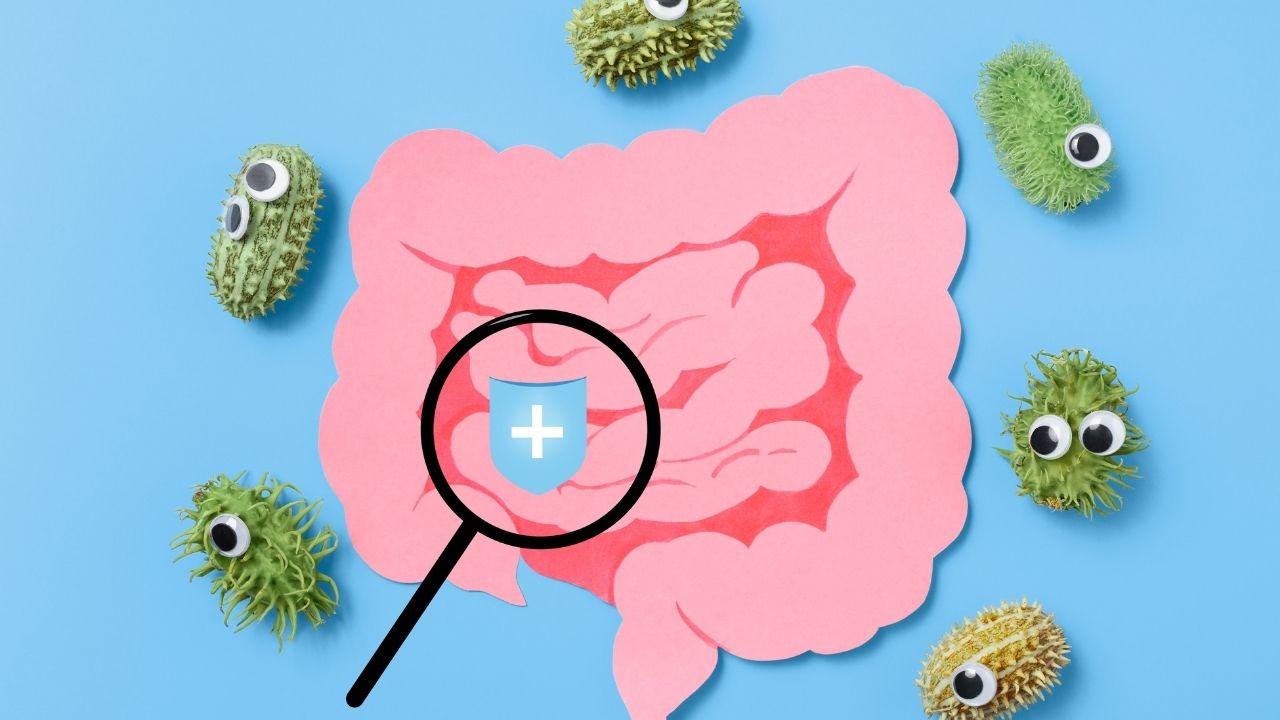
Disruptions and Inflammation: The Role of Antibiotics and Diseases
Certain factors, like antibiotics and diseases, can disrupt the microbiome, leading to imbalances and inflammation. Prolonged inflammation can trigger a chain reaction to other health issues.
Differences in the Microbiome: Cats vs. Dogs
While cats and dogs have generally similar composition of gut bacteria, there are some dominant types of bacteria. Research also suggests cats may have a more diverse gut microbiome than dogs. Furthermore, the gut microbiome may vary among individuals of the same species, influenced by breed, diet, age, and living environment factors.
The Connection to Anxiety: Understanding the Gut-Brain Axis
We now know the gut microbiome is crucial in various physical health aspects. However, recent research has indicated a profound connection between the gut microbiome and mental health, including anxiety. This link is often referred to as the "gut-brain axis."
Changes in the gut microbiome can influence the brain's physiology, affecting an animal's behavior and emotional state.
While our understanding of this complex relationship is still evolving, it is evident that maintaining a balanced, diverse, and healthy gut microbiome is key to supporting your pets' physical health and emotional well-being.
The Connection to Anxiety: Understanding the Gut-Brain Axis
This mind-gut connection called the gut-brain axis, is a complex, two-way communication system between the gut and the brain. Put simply, the gut and brain constantly communicate, affecting each other's functionality. The microbiome plays a key role in this communication, influencing your pet's brain function through this gut-brain axis. When there's a disturbance in your pet's gut microbiome, it can trigger a disruption in their brain and vice versa.
This connection means an unhealthy gut can contribute to mental health issues like anxiety, depression, and other cognitive disorders.
The Stress Connection: How Gut Health Influences Stress Response
Research(*) suggests that gut microbiota plays a crucial role in the gut-brain axis and significantly influences the animal's response to stress. So, a pet with poor gut health may have a heightened stress response. This realization can be a game-changer if you're struggling with your pet's anxiety, as improving gut health could be the untapped solution to managing their anxiety levels.
Dysbiosis: When the Microbiome is Out of Balance
Stress can modulate or influence the microbiome community, leading to dysbiosis – an imbalance in the gut bacteria where the 'bad' bacteria outnumber the 'good.' This dysbiosis can induce stress-related behaviors like anxiety and depression. It's a cycle – stress alters the microbiome, contributing to dysbiosis, which causes anxiety.
Oxidative Stress: The Impact on Your Pet's Gut Health
Oxidative stress, which stems from toxins or substances with toxic effects in the body, can also impact your pet's gut health. It's an imbalance between free radicals (harmful substances) and antioxidants in your pet's body. This imbalance can lead to many health problems, including negative impacts on your pet's gut microbiome.
How the Environment Impacts Your Pet's Gut Health
The inside and outside environment profoundly impacts your pet's microbiome. Environmental pollutants can alter the variety and quantity of gut bacteria, leading to potential health issues. In the microenvironment, consider your pet's immediate surroundings, food, and potential pollutants in your home. The macroenvironment involves larger-scale considerations like soil contamination, food production practices, and airborne contaminants.
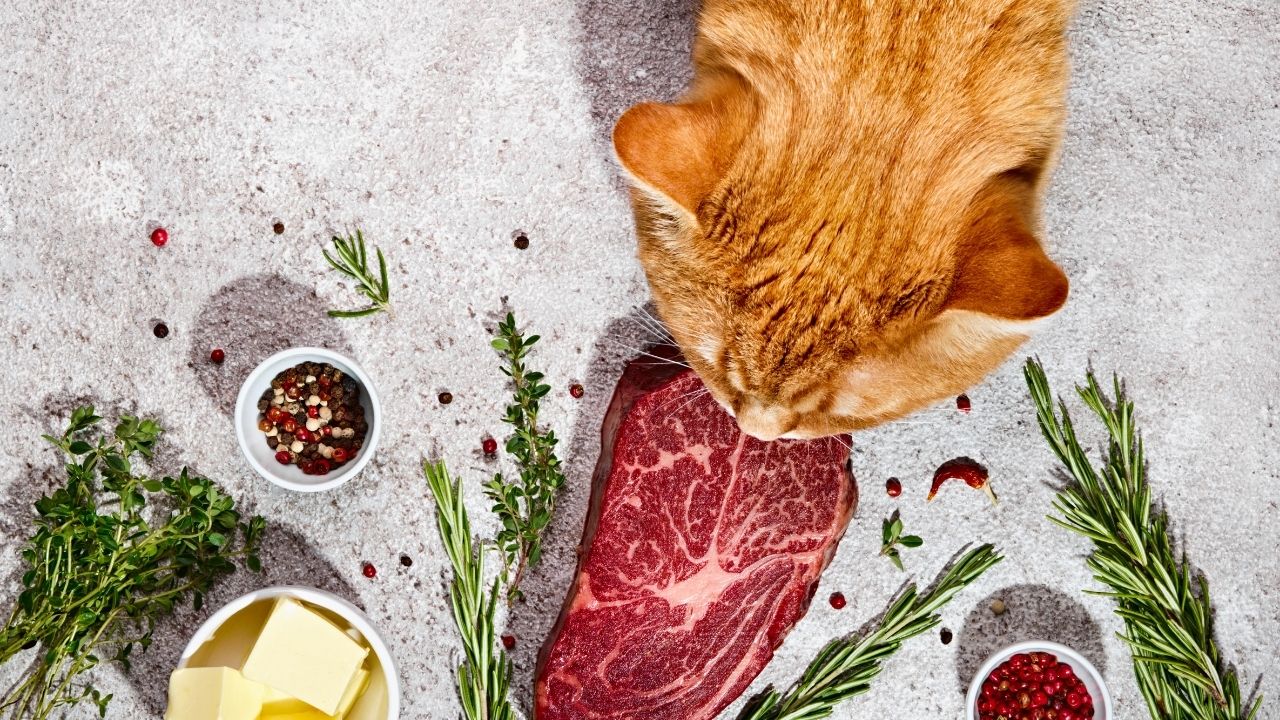
Food for Thought: The Role of Diet in Gut Health
Your pet's diet has a significant impact on their gut health. A good diet supports healthy gut flora, which is crucial for overall well-being. You can optimize your pet's diet with nutritional interventions, such as prebiotics, probiotics, and supplements. Some foods possess beneficial properties, such as probiotics. Consider a personalized nutrition plan for your pet, targeting their microbiome based on age, breed, and health status.
Understanding the Illness-Microbiome Connection
Chronic gastrointestinal, inflammatory, metabolic, neurological, cardiovascular, and respiratory illnesses can change your pet's microbiome. Other health issues, such as allergies, autoimmune diseases, and skin problems, can be symptoms of an unhealthy gut microbiome. Hence, understanding this illness-microbiome connection is pivotal for ensuring your pet's health.
Age and Its Impact on the Microbiome
As pets age, they can reduce the diversity of their gut microbiome. Aging affects different microbes compared to those influenced by diet or illness. Emerging research explores the role of other microbes in anti-aging, offering fascinating insights for pet healthcare. The microbiome is a complex system, with different microbes competing for space and nutrients.
Understanding and nurturing your pet's microbiome can manage anxiety and promote well-being. Being aware of these factors as a pet parent helps you make informed decisions about your pet's health, ensuring they live a happy, healthy life.
The Silent Scourge: Glyphosate
Glyphosate, a common ingredient in food production, particularly in genetically modified foods, is a serious concern for our pets' health. Studies have revealed that our animal companions carry higher levels of glyphosate than humans, primarily due to their diet.
Processed foods like kibble, which are grain-heavy, often contain residues of glyphosate. The continuous consumption of such foods significantly exposes our pets to this macro-environmental toxicological substance. This exposure can critically impact the diversity and composition of the gut microbiome, leading to potential health issues.
The Hidden Antibiotic: Glyphosate's Lesser-Known Role
Unknown to many, glyphosate was initially tested as an antibiotic. Hence, pets consuming processed foods laden with glyphosate are indirectly ingesting antibiotics. As antibiotics can disrupt the gut microbiome, feeding your pet processed foods with factory farm grains can be highly disruptive and detrimental to their gut health. This, in turn, can lead to a cascade of health issues.
The Battle Within: Pathogenic Bacteria and Your Pet's Gut Health
Pathogenic bacteria, the harmful bacteria that can cause disease, can enter your pet's system through their food. This is especially true for processed foods like kibble and canned food, often laden with harmful substances like mycotoxins and aflatoxins.
The journey from the rendering plant to your pet's bowl exposes the food to elements that can foster fungus growth and mold and introduce aflatoxins. Every time you open the packaging, the food is exposed further, increasing the risk.
However, a healthy microbiome and a robust immune system can help your pet fend off these threats. The gut microbiome is an army of soldiers fighting off harmful intruders and maintaining your pet's health.
The Vitality of the Microbiome: A Conclusion
In essence, supporting your pet's gut microbiome health goes a long way toward ensuring their overall vitality. A healthy gut microbiome boosts physical health and contributes significantly to a better mental and emotional state. Hence, pet parents need to make informed dietary choices for their pets. Always remember the power of your pet's gut influences all aspects of their well-being. Prioritizing your pet's gut health is akin to ensuring their happiness and longevity.